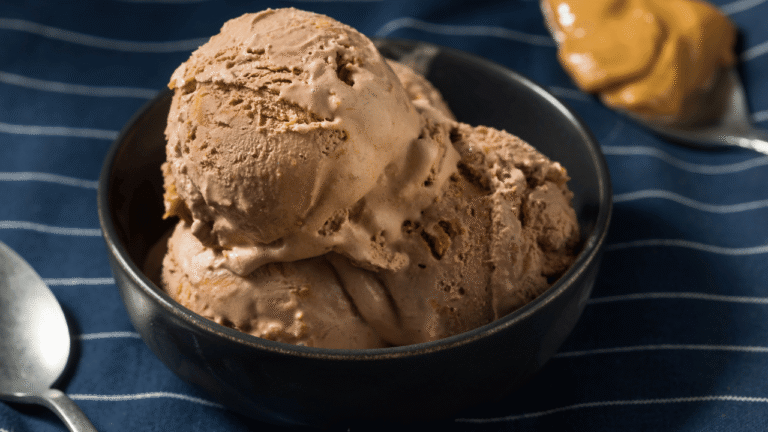


Almond Milk Chocolate Ice Cream
4
servings15
minutes5
minutes250
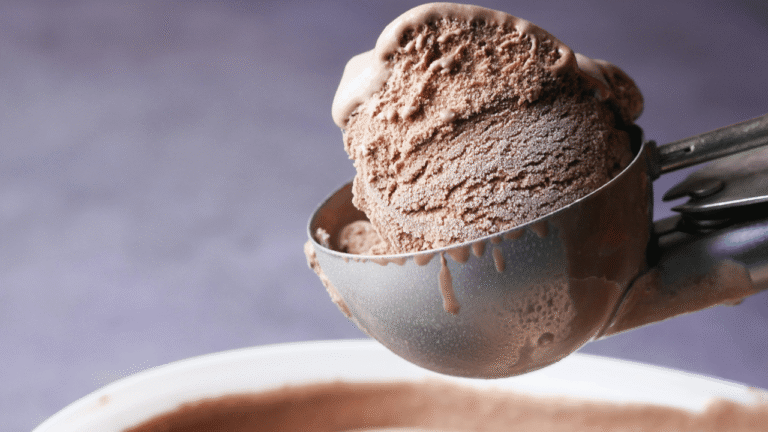
kcalA rich, creamy dairy-free chocolate ice cream made with almond milk and cocoa powder.
Keep the screen of your device on
Ingredients
1 cup 1 almond milk
0.5 cup 0.5 coconut cream
0.25 cup 0.25 cocoa powder
0.5 cup 0.5 sugar
1 tsp 1 vanilla extract
1 pinch 1 salt
Directions
- In a saucepan, combine almond milk, coconut cream, and sugar over medium heat, stirring until the sugar dissolves completely.
- Whisk in the cocoa powder until smooth and free of lumps, ensuring the mixture does not come to a boil.
- Remove from heat and stir in the vanilla extract and pinch of salt, mixing thoroughly for a consistent flavor.
- Let the mixture cool at room temperature for about 15 minutes, then transfer it to a blender and blend until smooth.
- Pour the mixture into an ice cream maker and churn according to manufacturer's instructions until it reaches a soft-serve consistency.
- Transfer the ice cream to an airtight container, cover, and freeze for at least 4 hours or until firm before serving.
Recipe Video
Nutrition Facts
- Total number of serves: 4
- Calories: 250kcal
- Cholesterol: 0mg
- Sodium: 50mg
- Potassium: 250mg
- Sugar: 25g
- Protein: 2g
- Calcium: 150mg
- Iron: 2mg
Did you make this recipe?
Tag @https://www.instagram.com/ice_cream_haven/ on Instagram and hashtag it with #IceCreamIceCreamHavens
Like this recipe?
Follow @https://www.pinterest.com/Ice_Cream_Haven/ on Pinterest
Join our Facebook Group!
Follow https://www.facebook.com/icecreamhavens/ on Facebook
Introduction and Inspiration
https://www.youtube.com/watch?v=Pup3gSSRAJA
Dairy-free ice cream is no longer a niche alternative—it’s a mainstream favorite. More than 40% of Americans now try plant-based desserts (see sources in links below), driven by health, ethics, and flavor curiosity. This trend shows that indulgence and wellness can comfortably coexist.
Why Dairy-Free Ice Cream?
Switching to non-dairy frozen treats isn’t about sacrifice—it’s about choice. Lactose intolerance affects a large portion of the global population (estimates often cite rates near 70% in some regions), and many people prefer ingredient-clean labels over additives and excess sugar. Store-bought options sometimes fall short on texture or list long ingredient panels; making your own lets you control the base, the sweetener, and the overall flavor.
A Creative Twist on a Classic Dessert
Start with a versatile base—unsweetened vanilla almond milk plus raw cashews—and you can shape the final ice cream into countless recipes. Almond milk lends a gentle nuttiness that complements fruit purées, cocoa, or coconut additions. Think a rich chocolate-chili scoop, a bright berry swirl, or a coconut-vanilla cup—each variation highlights how this homemade ice cream base celebrates its own profile rather than pretending to be dairy.
This is food creativity meeting dietary flexibility. Whether you’re vegan, dairy free, or simply experimenting, each scoop can surprise and delight guests and family alike—so when you see “jump to recipe” in the page navigation, you’ll land directly on the full ingredient list and step-by-step method.
Dairy-Free Ice Cream Recipe The Benefits of Dairy-Free Desserts
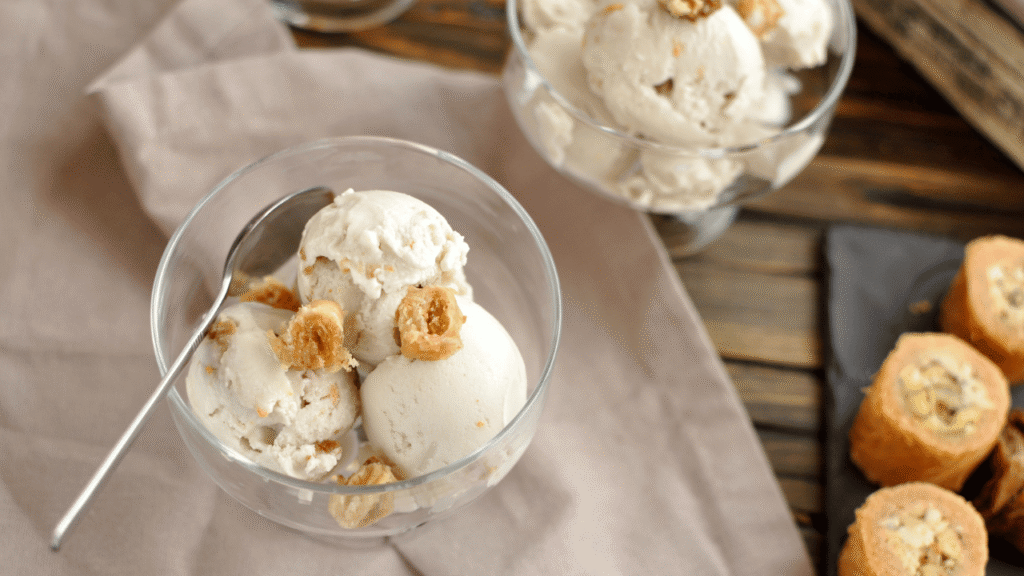
Redefining dessert begins with choices that can nourish both body and palate. Plant-based ice cream recipes deliver satisfying flavor and creamy mouthfeel while letting you control ingredients and portion sizes. This approach makes it easier to enjoy a treat without relying on long ingredient lists or artificial stabilizers.
Health and Nutritional Advantages
A properly balanced almond milk–and-cashew base can provide meaningful nutrients: depending on your recipe and serving size (nutrition in the recipe card is calculated per 1/2-cup serving), one scoop may contribute to your daily calcium needs when fortified almond milk is used. If you swap maple syrup for low- or zero-calorie sweeteners (like allulose or monk fruit), you can significantly reduce net carbs—some sugar-free variations of this recipe test under ~3g net carbs per 1/2-cup serving, though exact macros depend on specific ingredients.
The magic is in simple, whole ingredients: raw nuts supply healthy fats that mimic the richness of cream, while unsweetened almond milk keeps total calories moderate. Avoiding refined sugar and artificial additives makes the base taste cleaner and easier on digestion for many people who are dairy intolerant.
Perfect for a Lighter Indulgence
Without dairy, many people report less post-dessert sluggishness. This recipe adapts to multiple diets—vegan, dairy free, and lower-sugar plans—by swapping sweeteners or using coconut milk for extra creaminess. The resulting texture remains scoopable and satisfying when you follow the recommended prep and freeze times.
From backyard barbecues to cozy winter evenings, this versatile ice cream base lets you enjoy classic flavors (vanilla, chocolate) or seasonal twists (pumpkin, berry) while keeping ingredient lists simple and transparent. See the recipe card for exact nutrition facts, ingredient amounts, and timing so you can match the dessert to your dietary needs and schedule.
Essential Ingredients and Tools
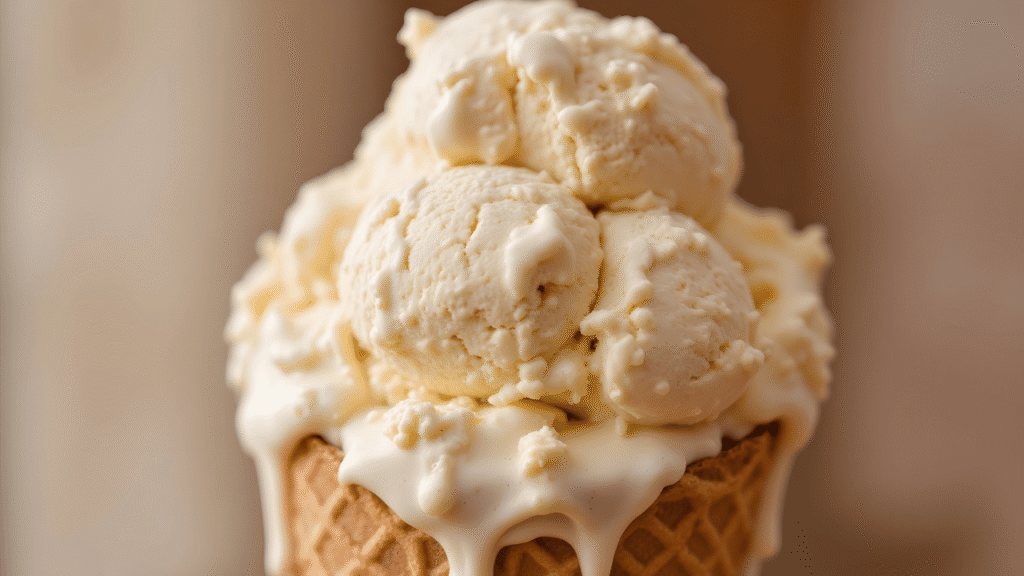
Crafting unforgettable ice cream starts with a reliable base and the right equipment. Three core ingredients unlock velvety texture and balanced flavor, while simple tools determine whether you’ll churn or use a no-churn method.
Must-Have Ingredients: Almond Milk, Cashews, and More
Raw cashews form the heart of this cream base—soaked and blended, they create richness without dairy. Use unsweetened vanilla almond milk (or fortified almond milk for extra calcium) to keep the mixture light with a subtle nuttiness.
Sweeten with pure maple syrup for warm caramel notes, or swap in allulose or monk fruit for a lower-carb, sugar-free recipe (check labels for net-carb info). For a coconut-forward variant, use full-fat coconut milk or add coconut butter to the base for extra creaminess.
Choosing the Right Ice Cream Maker (or Not!)
An electric ice cream maker simplifies churning and typically yields the creamiest results—many home makers churn a batch in 18–25 minutes. If you prefer a no-churn approach, a high-speed blender plus a freezer and shallow container work well: freeze the mixture in a shallow metal or glass pan and stir every 20–30 minutes to break up ice crystals.
Recommended tools: an efficient blender (high-speed or a powerful countertop model), an ice cream maker (if you plan to churn regularly), shallow containers for freezing, a spatula, and measuring cups or a kitchen scale. If linking to gear, include a short affiliate disclosure near the tools section.
Substitutions & allergy notes: For nut-free versions, try soaked sunflower seeds or full-fat coconut cream as the base. Adjust sweetener and fat levels when swapping ingredients to preserve the cream base and texture.
Investing a little time in quality ingredients—additive-free almond milk, raw nuts, and pure extracts—makes a noticeable difference in the final ice cream. Whether you use an ice cream maker or opt for the freezer method, the right ingredients and a solid technique turn simple components into a scoopable treat.
Dairy-Free Ice Cream Recipe Prepping for Perfection
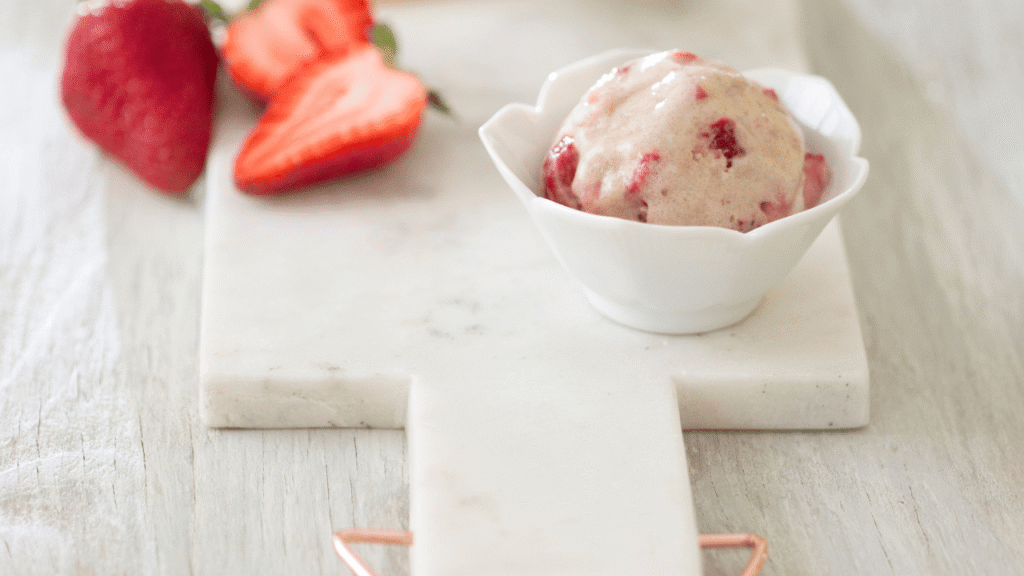
Great ice cream begins long before the first scoop. Thoughtful prep turns simple ingredients into a silky, scoopable cream base—follow timing and technique to avoid grainy or icy results.
Soaking Cashews for Creaminess
Raw cashews are the secret to a velvety dairy-free cream. For best results, soak 1 1/2 cups raw cashews in cold water for at least 6–8 hours or overnight. Short on time? Cover cashews with boiling water and soak 60 minutes—the texture will be adequate but slightly less plush.
Drain and rinse thoroughly before blending. Proper hydration softens the nuts so they break down fully in the blender; skipping or under-soaking can produce a gritty mixture.
Blending Techniques for a Smooth Base
Start with soaked cashews and half of the chilled almond milk (use unsweetened vanilla almond milk or full-fat coconut milk for a richer base). Pulse on medium-high until grainy bits disappear, scraping the bowl as needed. Then add the remaining milk, 1/3–1/2 cup maple syrup (or preferred sweetener), a pinch of salt, and 1–2 teaspoons vanilla extract in stages, blending 30–60 seconds between additions.
Blend until the mixture resembles whipped frosting and tiny bubbles appear on the surface—generally 2–4 minutes in a high-speed blender. If your blender isn’t powerful, blend longer and strain the mixture through a fine mesh for extra smoothness.
Step-by-Step Recipe: Homemade Ice Cream Using Almond Milk
Follow these steps to turn your blended base into scoopable homemade ice cream:
Ingredients (makes ~4 cups / 6 servings):
– 1 1/2 cups raw cashews (soaked)
– 2 cups unsweetened vanilla almond milk (or 1 cup almond milk + 1 cup coconut milk for creamier texture)
– 1/3–1/2 cup pure maple syrup (adjust to taste) or 1/4 cup allulose for lower-net-carb option
– 1–2 tsp vanilla extract
– Pinch of salt
Directions:
1. Soak and drain cashews (see soaking note above). Pre-chill almond milk for best results. (Prep time: 10 minutes active; soak time: 6–8 hours or 60 minutes hot soak)
2. Blend soaked cashews with half the chilled milk until very smooth, 90–120 seconds. Add remaining milk, sweetener, vanilla, and salt in 2–3 additions, blending 30–60 seconds between each pour. Total blend time in a high-speed blender: ~3–4 minutes.
3. Taste and adjust sweetness or vanilla. Pour the cold mixture into an ice cream maker and churn according to manufacturer instructions (most home ice cream makers take 18–25 minutes). If using a no-churn method, pour into a shallow container and freeze, stirring every 20–30 minutes to break up ice crystals until mostly set.
4. Transfer churned ice cream to a shallow container, smooth the top, and cover with parchment directly on the surface to reduce crystallization. Freeze 1–4 hours depending on desired firmness (see notes). Before serving, let rest at room temperature 5–10 minutes for easier scooping.
Churning, Freezing & Timing
Typical churning time in a home ice cream maker: 18–25 minutes to reach soft-serve consistency. For firmer results, freeze in a shallow container 60–240 minutes (1–4 hours). Shorter freezer time gives a softer scoop; longer freezing requires 5–10 minutes at room temperature before serving.
Troubleshooting Common Issues
– Icy texture: Use a fat booster (1–2 tbsp coconut oil or MCT oil) or a teaspoon xanthan gum per recipe to improve creaminess; ensure the base is well blended and chilled before churning.
– Too soft: Reduce high-alcohol add-ins and ensure container is airtight; freeze longer or add more coconut milk (fat) to the base.
– Gritty: Soak cashews longer or blend longer; strain if necessary.
Printable Recipe & Notes
Include a printable recipe card on the page with exact ingredient weights (grams) and nutrition per 1/2-cup serving. Note that total time depends on soak hours and freeze time—plan for at least 8 hours from start to finish if using the overnight soak method.
Dairy-Free Ice Cream Recipe Flavor Variations and Creative Ideas
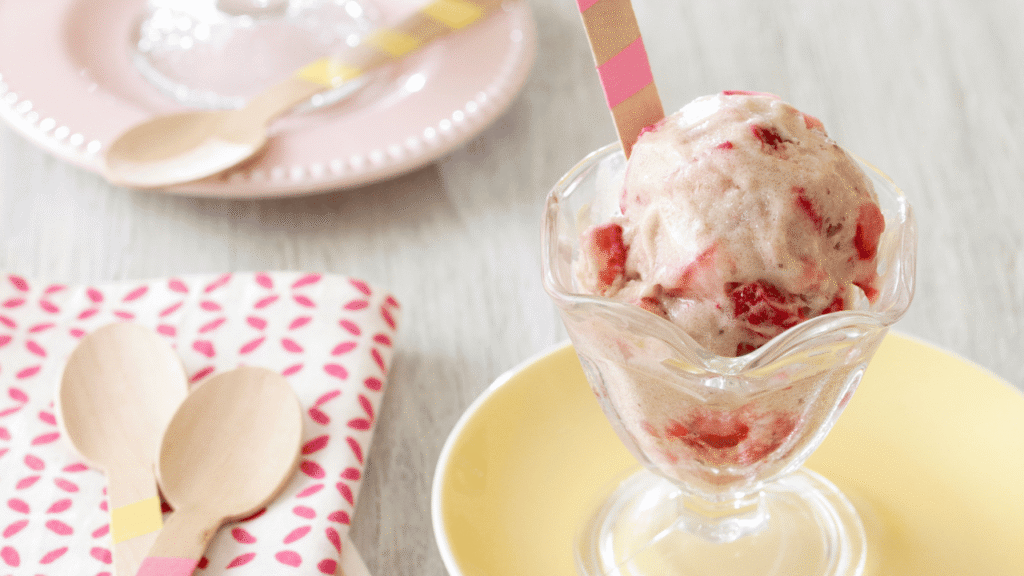
Your dairy-free ice cream base is a blank canvas—small swaps and add-ins transform the cream into endless flavor-led recipes. Below are easy micro-recipes and textural ideas to guide your next batch, plus safe stabilizer and alcohol guidance so you get scoopable, parlor-style results.
Chocolate & Vanilla Foundations
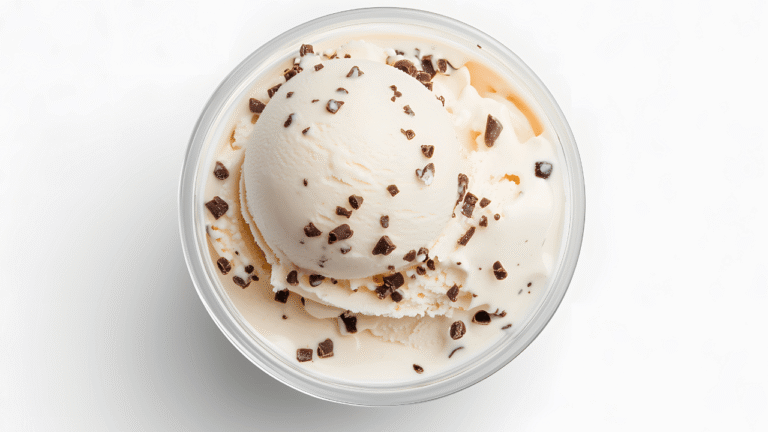
Chocolate: Stir 2 tablespoons unsweetened cocoa powder into the blended base, taste and add 1–2 tablespoons more if you like it richer. Fold in 1/4 cup mini chocolate chips during the last few minutes of churning for crunch. (Sensory notes: deep, slightly bitter richness balanced by the cashew cream.)
Vanilla: Use 1–2 teaspoons pure vanilla extract (not imitation) for floral, complex notes that lift fruit and spice additions. For a custardy vanilla, increase coconut milk to 1 cup and reduce almond milk accordingly. (Sensory notes: warm, aromatic, and versatile.)
Fruit & Nut Textural Play
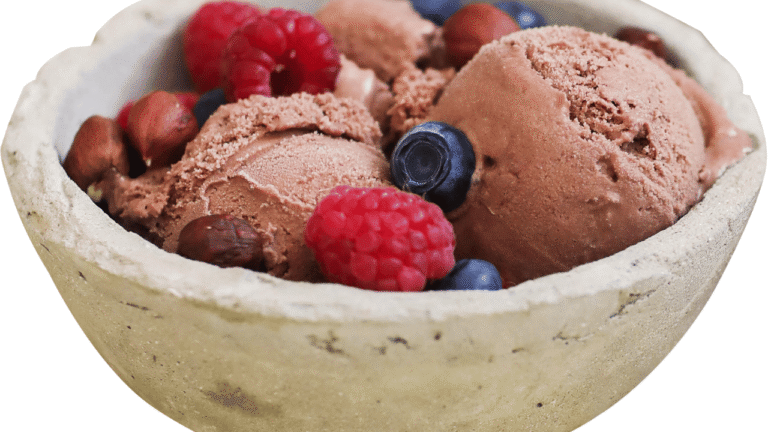
Berry swirl: Fold 3/4 cup bright strawberry or raspberry purée into churned base for ribbons of tangy sweetness. Mango: Blend 1/2 cup frozen mango into the base for tropical body. Add 2–3 tbsp toasted coconut flakes or 1/4 cup crushed almonds at the end for contrast (crunchy).
Protein & cream boosters: Stir 2 tablespoons cashew or almond butter into the blended base for silkier mouthfeel and extra protein.
Seasonal & Fun Ideas
Summer: Berry medleys + lemon zest (bright, refreshing)
Fall: Pumpkin purée + cinnamon + pinch nutmeg (warm, spiced)
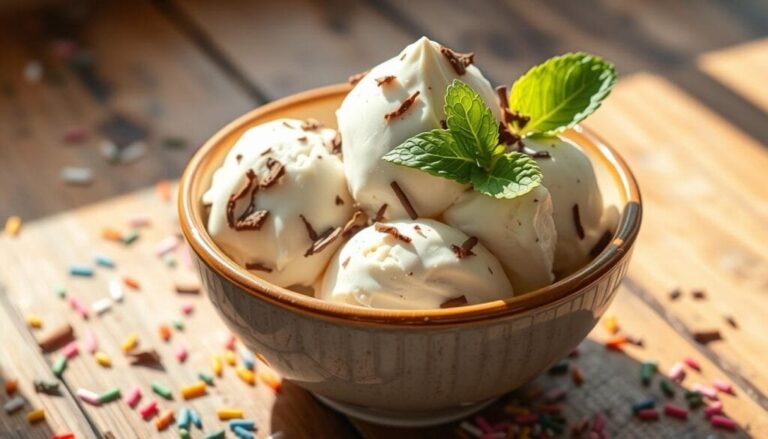
Winter: Peppermint extract + dark chocolate shards (cool, festive)
Spring: Rhubarb compote + grated ginger (tart + spicy)
Holiday twists: crushed candy canes folded into a peppermint base or spiced apple chunks with a caramel syrup ripple. For sugar-free versions, try monk-fruit or allulose-sweetened chocolate chips to keep texture and flavor interesting.
Conclusion
Oils & alcohol (use with caution): Adding 1–2 tablespoons MCT oil or melted coconut oil to the blended base helps mimic dairy fat and prevents rock-hard freezing. If you want a slightly softer scoop, a tablespoon of vodka or other neutral spirit lowers freezing point—do not use alcohol if serving children, pregnant guests, or anyone avoiding alcohol.
Stabilizers: Use xanthan gum sparingly—about 0.1–0.2% of the total recipe weight (roughly 1/8 to 1/4 teaspoon per 4 cups of base) to prevent iciness and improve scoopability. Guar gum can be used similarly; start with a very small amount and whisk into the liquid before blending to avoid clumping.
Practical notes: Add fragile mix-ins (fresh berries, nuts, chocolate chips) in the last 2–3 minutes of churning or fold them in by hand after churning to preserve texture. Freeze in a shallow container for even cooling and reduce crystallization—store airtight.
Pairing ideas: Serve chocolate variations with espresso cookies, fruity scoops alongside shortbread or fruit compotes, and spiced flavors with warm cakes or puddings for contrast.
These variation recipes and texture hacks turn a simple cream base into countless, scoopable delights—experiment with small batches and tasting notes to find your favorite combinations.
FAQ
Can I substitute cashews in this recipe?
Yes — if you need a nut-free option, soaked sunflower seeds or full‑fat coconut cream are excellent alternatives. Sunflower seeds yield a similar creamy texture when soaked and blended; coconut cream delivers extra richness but will add a coconut flavor. Adjust sweetener and fat slightly when swapping to maintain the desired cream base and texture.
Do I need a machine to make dairy-free frozen treats?
No. An ice cream maker speeds up churning and often gives the creamiest results, but a high-speed blender plus a freezer works fine for homemade ice cream. Pour the blended base into a shallow container and freeze, stirring every 20–30 minutes to break up ice crystals until mostly set.
How do I prevent icy crystals from forming?
Prevent iciness by using enough fat (add coconut milk or 1–2 tablespoons of MCT/coconut oil) and by chilling the mixture thoroughly before churning. A tiny amount of xanthan gum (about 1/8–1/4 tsp per 4 cups) can stabilize the mixture. A small splash (1 tablespoon) of vodka lowers the freezing point and keeps texture softer, but avoid alcohol if serving children, pregnant guests, or anyone abstaining.
What’s the best way to add mix-ins like chocolate chips?
Fold solid mix-ins (chocolate chips, nuts, cookie bits) in during the last 2–3 minutes of churning, or hand-fold them into churned ice cream before transferring to the freezer. For fruit swirls, gently fold in cold purée or compote to create ribbons without fully blending the flavor into the base.
How long does it take to freeze properly?
After churning, transfer to a shallow container and freeze 4–6 hours for a firm scoop; times vary with freezer temperature. For softer serving, let the container sit at room temperature 5–10 minutes before scooping. When using the no-churn method, plan for several hours (typically 4–8) and stir periodically during the initial freezing to prevent large crystals.
Can I use maple syrup instead of sugar?
Absolutely. Liquid sweeteners like maple syrup blend smoothly into the base and add flavor. Reduce the amount slightly compared with granulated sugar since liquid sweeteners contribute moisture; for lower-net-carb options, use allulose or monk fruit as directed in the recipe.
Final Notes
See the recipe card above for exact ingredient amounts, nutrition per 1/2‑cup serving, and timing. If product recommendations or equipment links are provided on the page, note that some may be affiliate links—see the disclosure in the Tools section. Ready to try it? Jump to the printable recipe card and start your batch today.