Skip to content


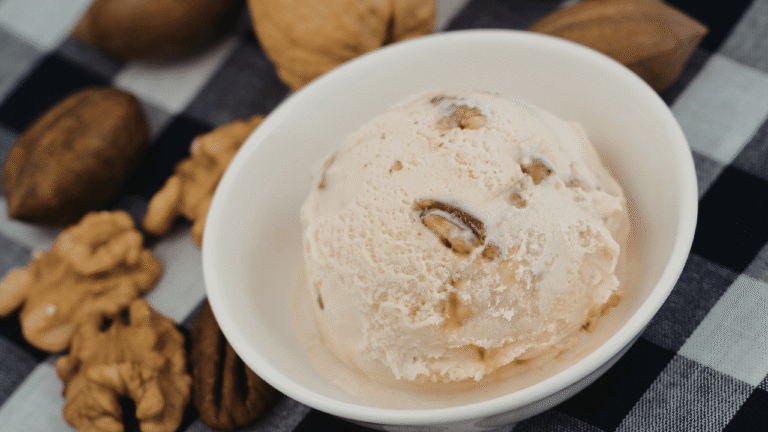
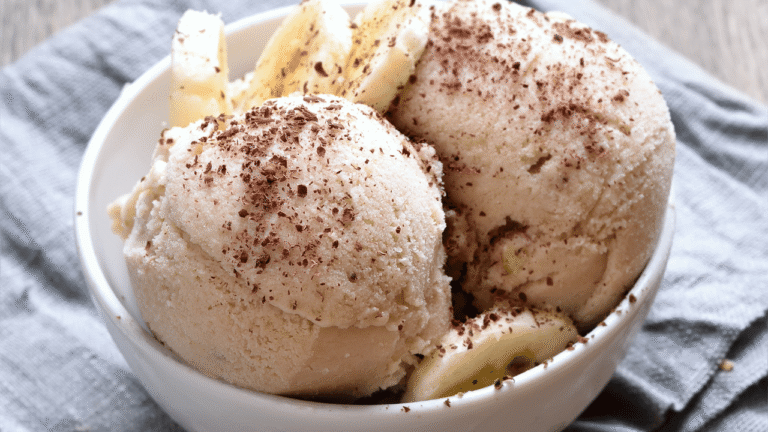
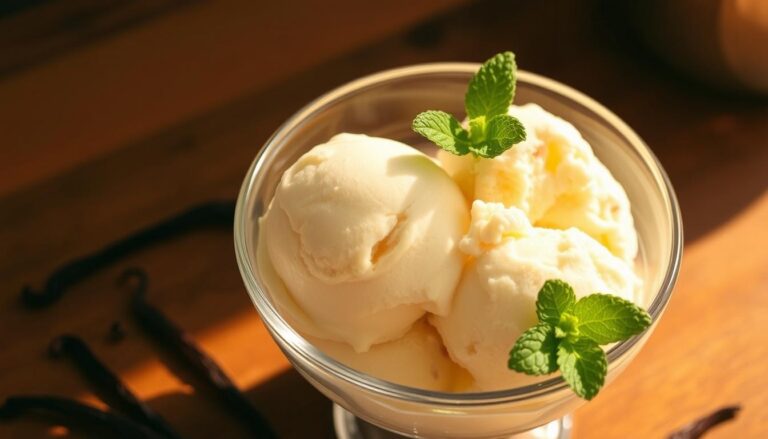
Creamy and Delicious Homemade Dairy Free Ice Cream
4
servings15
minutes2
hours30
minutesA rich, smooth, and dairy-free treat perfect for a hot summer day.
Keep the screen of your device on
Ingredients
2 cups 2 coconut milk
0.5 cup 0.5 sugar
1 teaspoon 1 vanilla extract
0.25 teaspoon 0.25 salt
0.5 cup 0.5 almond milk
Directions
- Combine the coconut milk, almond milk, sugar, vanilla extract, and salt in a mixing bowl. Stir well until all ingredients are fully combined.
- Pour the mixture into an ice cream maker and churn according to the manufacturer's instructions until it reaches a soft serve consistency.
- Transfer the churned ice cream into a freezer-safe container and place in the freezer for at least two hours to harden.
- Allow the ice cream to sit at room temperature for a few minutes before serving to make scooping easier.
Recipe Video
Nutrition Facts
- Serving Size: 0.5g
- Total number of serves: 4
- Calories: 150kcal
- Fat: 8g
- Saturated Fat: 7g
- Trans Fat: 0g
- Polyunsaturated Fat: 0g
- Monounsaturated Fat: 1g
- Cholesterol: 0mg
- Sodium: 180mg
- Potassium: 150mg
- Carbohydrates: 20g
- Fiber: 1g
- Sugar: 18g
- Protein: 2g
- Vitamin A: 0IU
- Vitamin C: 2mg
- Calcium: 10mg
- Iron: 2mg
Did you make this recipe?
Tag @https://www.instagram.com/ice_cream_haven/ on Instagram and hashtag it with #IceCreamIceCreamHavens
Like this recipe?
Follow @https://www.pinterest.com/Ice_Cream_Haven/ on Pinterest
Join our Facebook Group!
Follow https://www.facebook.com/icecreamhavens/ on Facebook
Why This Diet-Friendly Homemade Ice Cream Works for a Healthy Dessert
Making your own frozen treat gives you control over what goes into every scoop. You avoid many ultra-processed additives that show up in commercial tubs. That means fewer hidden gums, artificial colors, and partially hydrogenated oils in your freezer.
Clean-ingredient advantages over store-bought
Short labels matter. Simple, recognizable ingredients reduce uncertainty about the food you serve your family. Many store brands rely on carrageenan, cellulose gum, and emulsifiers to mask low fat or poor structure.
Homemade batches use clear elements like full-fat coconut milk + maple syrup + vanilla, or Greek yogurt + 2% milk. That transparency makes it easier to control sugar levels and avoid unwanted oils.
Texture goals: rich, creamy texture without artificial additives
The main target is a rich, creamy mouthfeel. That comes from adequate fat, the right sweetener, and optional stabilizers (xanthan gum) — not mystery additives.
Fat slows ice crystal formation, while sweeteners like maple syrup or allulose lower freezing point to keep scoops soft and smooth.
Which style fits you: higher-protein, vegan coconut, or low-carb keto
- Higher-protein: Greek yogurt + 2% milk — great for post-workout or extra protein needs.
- Vegan coconut: Full-fat coconut milk + maple syrup — best for dairy-free tastes and creamy richness.
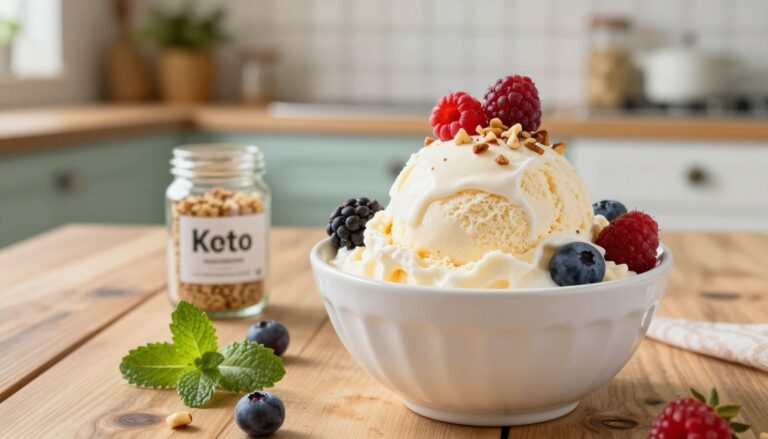
- Low-carb keto: Heavy cream + almond milk + powdered allulose — ideal when cutting sugar but wanting decadent texture.
These choices keep ice cream taste indulgent without long labels. For a chocolate-forward version, see a fast, healthier take on chocolate in this quick chocolate idea, or explore a no-sugar vegan option at No-Sugar Vegan. Next, we’ll list ingredients, tools, and step-by-step methods so you can make any of these styles at home.
Diet homemade ice cream recipe Ingredient List and Smart Substitutions
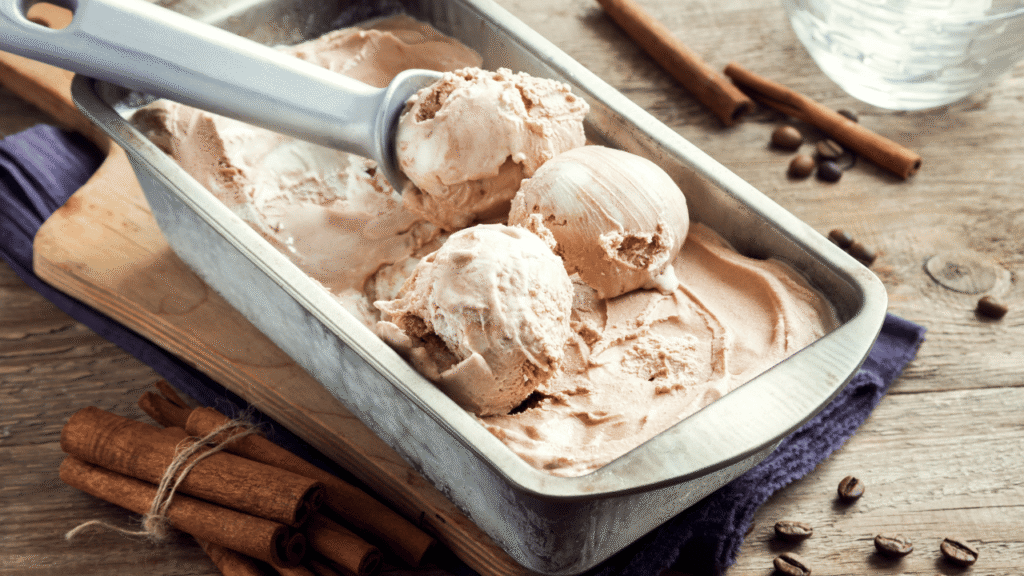
Start with a solid base and tweak a few smart swaps to control mouthfeel and freezing behavior. Below are three clear builds and the role each component plays so you get creamy, scoopable results.
Higher-protein base
Use plain nonfat Greek yogurt + 2% milk + 1/2 cup unsweetened cocoa powder for chocolate versions. Greek yogurt adds body and protein while 2% milk supplies enough fat to prevent an icy texture.
Include a pinch of salt, a splash of vanilla extract, and a tiny amount of xanthan gum to stabilize the mixture.
Vegan vanilla base
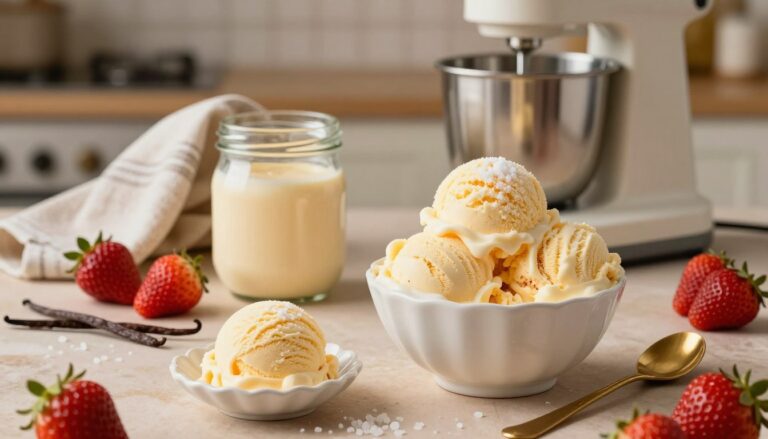
Two 13.5-oz cans full-fat coconut milk + 1/3 cup maple syrup + vanilla extract yield natural richness. Coconut milk supplies fat and flavor; maple syrup helps keep the mixture soft by lowering freezing point.
Low-carb keto base
Start with heavy cream, a little almond milk, 1–2 tsp butter, and a powdered monk fruit/allulose blend. Heavy cream gives fat for richness; almond milk thins density just enough. Avoid straight erythritol—it can freeze rock hard.
Chocolate essentials
Choose unsweetened cocoa powder for strong, stable chocolate flavor. Add chopped dark chocolate only for chunks; it melts differently and may require less added sugar.
Sweeteners and texture glue
- Stevia: intense, use sparingly to avoid bitter notes.
- Maple syrup: natural sweetness that helps scoopability.
- Allulose blends: best for keto because they keep scoops soft.
- Xanthan gum: acts as egg-free glue to limit ice crystals—skip it and expect iciness or hardness.
Tools You’ll Need: Diet Homemade Ice Cream Recipe, Freezer Container, and Simple Prep Setup
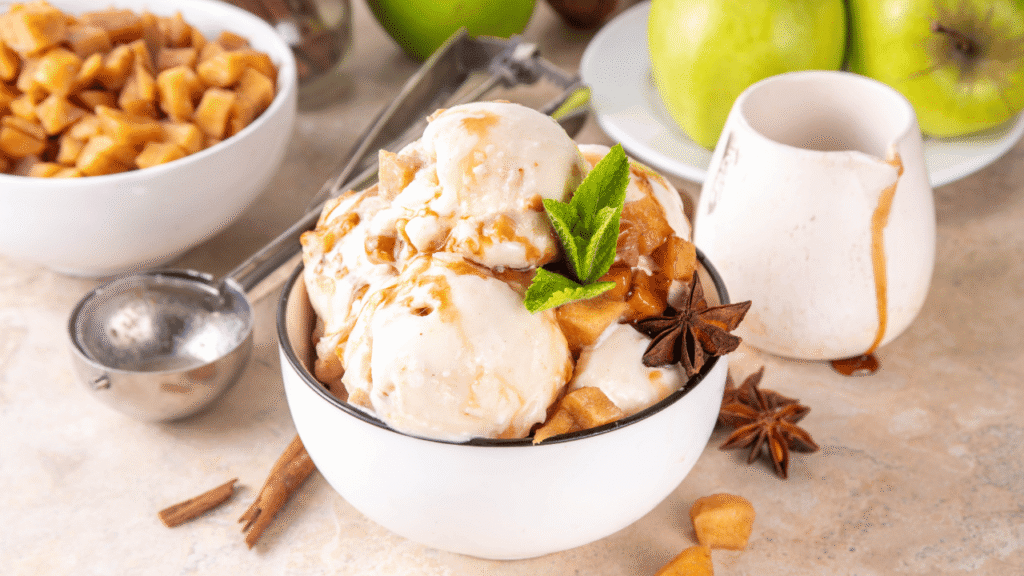
A reliable churner plus an airtight storage plan delivers the best scooping results. For smooth, creamy texture, use an ice cream maker with a frozen bowl or a compressor unit. Freeze the removable bowl 12–16 hours ahead for models that require it.
Core setup for consistent batches
- An ice cream maker (frozen-bowl style or compressor) or a compact maker with steady churn.
- A mixing bowl and whisk or a hand mixer to blend ingredients evenly.
- A shallow, airtight freezer-safe container to store the finished batch.
Why a maker improves texture
Faster freezing and constant churning trap fine air and stop large ice crystals from forming. That produces a silkier mouthfeel than static freezing in a regular freezer.
Best practices for container and freezer storage
Choose a shallow container for faster firming. Pre-chill the container in the freezer if possible, press parchment or wax paper on the surface after pouring, and seal tightly to limit ice build-up.
Timing note: Most batches need about 2–4 hours in the freezer after churning to reach scoopable firmness. Set a tidy prep station (cold bowl, ready mixture, ready container) so you can work quickly and avoid melt–refreeze iciness.
Diet Homemade Ice Cream Recipe Step-by-Step Method Using an Ice Cream Maker
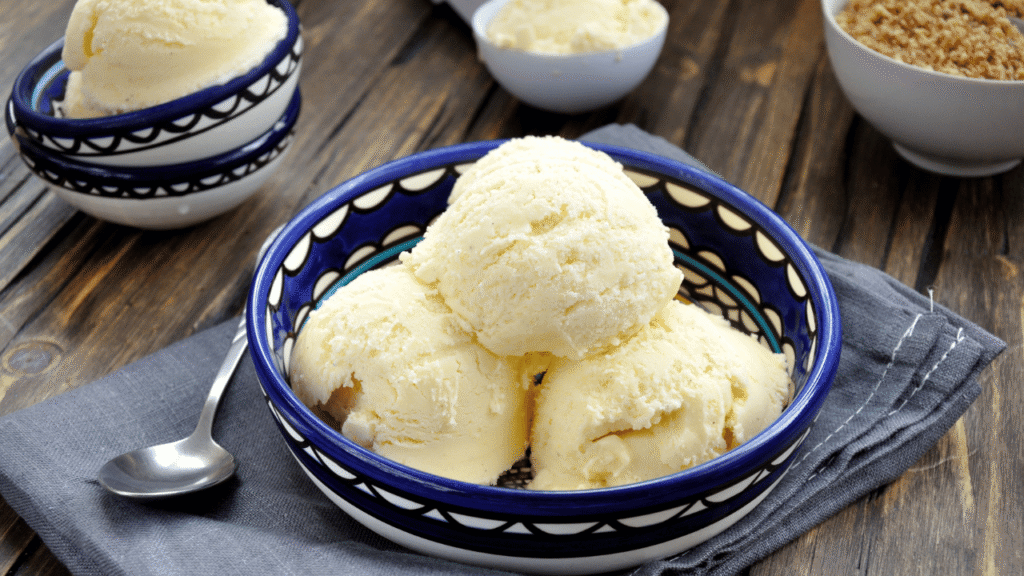
Start by chilling the maker’s bowl for 12–16 hours. Under-freezing the bowl leads to slushy churns that refreeze into large ice crystals in the freezer.
Mix your ingredients and beat about 1 minute until very frothy. This adds air to the mixture and yields a lighter, creamier result when you make ice cream.
- Assemble chilled bowl and pour the frothy mixture into the maker.
- Churn on the machine setting until thickened. Expect soft-serve in about 15–20 minutes for some makers, or 20–25 minutes for slower models.
- Use a visual cue: the mixture should be thick, hold shape, and no longer look liquid.
If the mixture clings to the sides and stops circulating, gently nudge it with a small spatula. Do not scrape aggressively or warm the bowl; a light push helps the paddle recover without ruining texture.
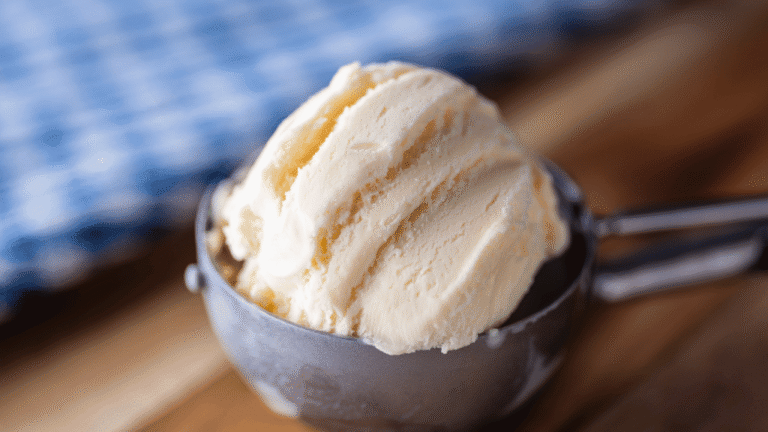
For firmer, scoopable results: move the batch to an airtight container and freeze 2–4 hours in the freezer. After that, scoop like standard vanilla ice cream or chocolate versions and enjoy.
No Ice Cream Maker Methods for Homemade Diet Ice Cream
Small-batch solutions work well when you lack equipment, need one-off portions, or want a quick finish. Expect a bit more hands-on time and slightly firmer texture than machine-churned batches.
When to use no-maker methods: choose these options for convenience, smaller container sizes, or if you don’t want to buy an ice maker. They are reliable but need active stirring and the right storage to limit ice crystals.
Pan method
Pour the base into a shallow pan and spread it evenly. Freeze 2–3 hours, then stir vigorously every 30 minutes to break up ice and fold air in.
Scrape the edges first where the mixture firms fastest. Stir for a few minutes each time and return the pan quickly to the freezer to avoid melt–refreeze cycles.
Ziploc-and-blend method
Seal the mixture in a heavy-duty bag and freeze about 3 hours until solid. Break into pieces, transfer to a food processor, and pulse until creamy.
After processing, move the mix to an airtight container and chill overnight or at least 3–4 hours for better scoopability.
Overnight freezer finish and storage
Extra hours in the freezer improve structure, especially for coconut or high-fat keto bases. The slow firming helps the product set without large ice crystals.
- Use a clean, freezer-safe container and seal tightly.
- Avoid leaving portions at room temperature while you work in batches.
- Label with date and store at a steady freezer temperature for up to 2 weeks.
Realistic note: no-machine methods yield a slightly grainier result, but careful stirring, quick handling, and a good container narrow the gap. Follow the timing and handling tips above to make a tasty final product.
Flavor Variations: Vanilla Ice Cream, Chocolate Ice Cream, and Mix-Ins
Turn a neutral base into many crowd-pleasing flavors with a clear roadmap: pick the base, pick the flavor, then add mix-ins or a swirl.
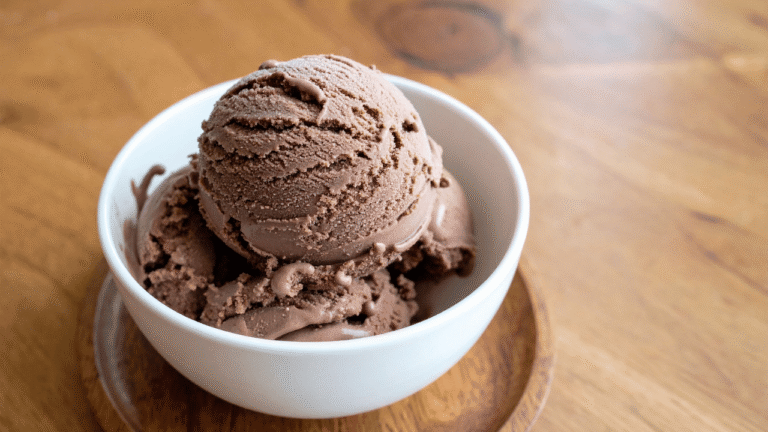
Ultimate healthy chocolate
Rely on cocoa powder for a fast, intense chocolate taste without melting chocolate. Whisk thoroughly so the powder disperses and the texture stays smooth.
Add 2–3 tablespoons extra cocoa powder to deepen the flavor toward a darker profile, but watch thickness.
Classic vanilla
Keep it simple: a base with maple and vanilla extract yields the nostalgic vanilla ice aroma of a shop-style scoop.
Use a pure extract and taste before freezing; adjust for a bold vanilla ice cream result.
Mix-ins, swirls, and pairing ideas
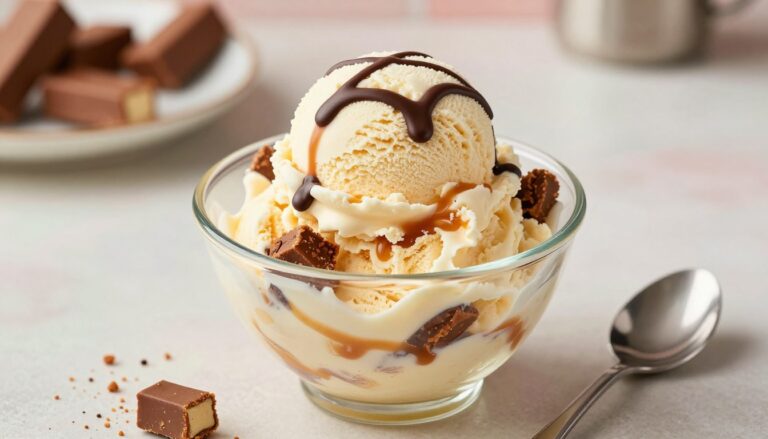
Add chips or cookie pieces in the last minutes of churning so they suspend without melting or sinking.
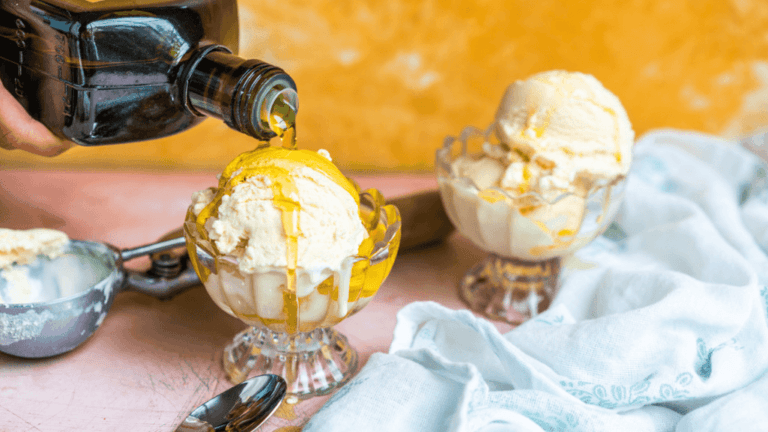
- Layer swirls by spooning, drizzling syrup, repeating, then use a gentle knife swirl.
- Serve a scoop of chocolate ice cream with warm brownies or alongside cookies for a classic pairing.
- For a deeper chocolate ice note, fold in more cocoa powder sparingly.
“Small changes in powder and timing make big flavor gains.”
Troubleshooting Creamy Texture: Prevent Icy, Grainy, or Too-Hard Ice Cream
Most texture problems come from three clear sources: too little fat, watery milk swaps, or sweetener and stabilizer choices. Fix those and you improve scoopability and ice cream taste fast.
Fat matters
Use 2% milk or richer. Adequate fat slows ice crystal growth and supports a smooth mouthfeel that mimics premium scoops. If you cut fat too far, expect grainy or icy results.
Milk swap warnings
Almond milk and other nut milks have more water and fewer solids. They thin the mix and often produce icy texture unless balanced with cream or a fat source.
Sweetener science
Avoid straight erythritol in large amounts— it can yield gritty, rock-hard batches. I highly recommend powdered allulose blends or fully dissolving sugar substitutes before chilling.
Do not skip xanthan gum
Xanthan gum acts as egg-free glue. It controls crystal size and keeps the batch creamy rather than icy. Small amounts make a big difference.
- Icy: low fat or high water content.
- Grainy: poor dissolution or fast freezing without stabilizer.
- Too hard: sugar substitute choice or long storage—let soften before serving.
Quick recovery: let a too-hard container sit 3–7 minutes before you scoop, or use brief microwave bursts (5–8 seconds) to soften just enough. For deeper fixes, review fat, sugar, and xanthan levels.
For more texture tips, see a guide on how to keep batches smooth and not icy at smooth and not icy, or explore a dairy-free sugar-free approach for non-dairy swaps.
Conclusion
The simplest way to get repeatable results is consistency: pick a base you like (protein, vegan, or keto), use the same ingredients each time, and measure method steps in minutes and hours.
Key steps: chill the machine bowl, beat the mixture until frothy, churn to soft-serve, then freeze 2–4 hours for scoopable texture.
Start with a vanilla or chocolate test batch to nail sweetness and cream taste. Once stable, add mix-ins and swirls.
Focus on three levers: fat level for richness, sweetener choice for softness, and a small amount of xanthan gum for a reliable creamy finish in an egg-free cream recipe.
Store in a sealed container with parchment pressed to the surface and plan a short thaw before serving. Now pick your base, gather ingredients, and make ice cream using the maker or the no-maker backup included above.
FAQ
What basic equipment do I need to make this healthier frozen treat?
Can I make a high-protein version that still tastes creamy?
How do I make a vegan coconut-based sundae-style option?
What’s the best low-carb approach that still scoops well?
How long should I churn in an ice cream maker?
What if the mixture gets stuck in the churner?
Can I make this without an ice cream maker?
How do I avoid icy or gritty texture?
Which sweeteners work best for flavor and scoopability?
When should I add mix-ins like chocolate chips or cookie pieces?
Are there special tips for chocolate variations?
How long can I store finished scoops in the freezer?
Will plant milks like almond milk thin the texture?
Can I substitute vanilla extract for other flavors?