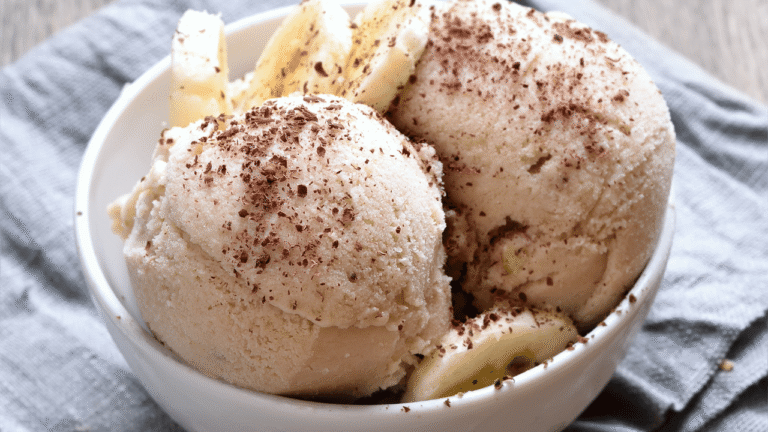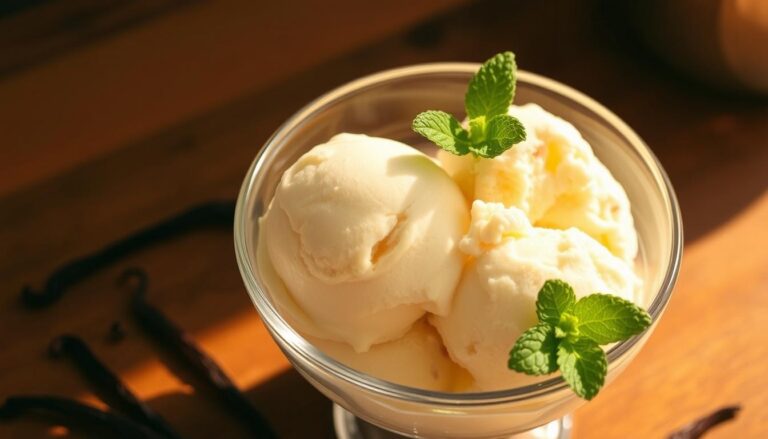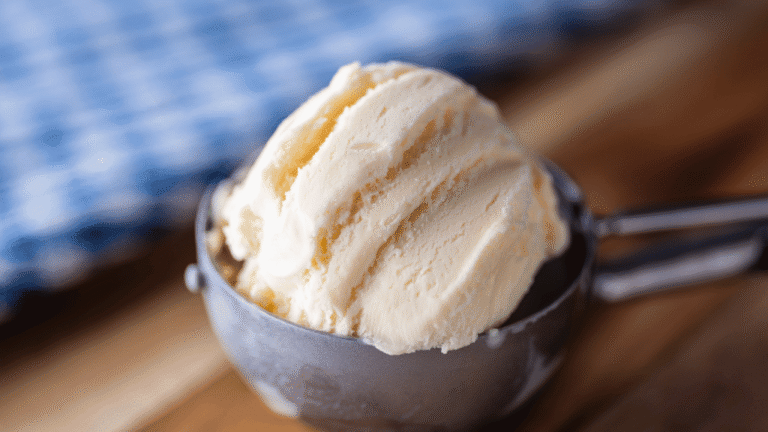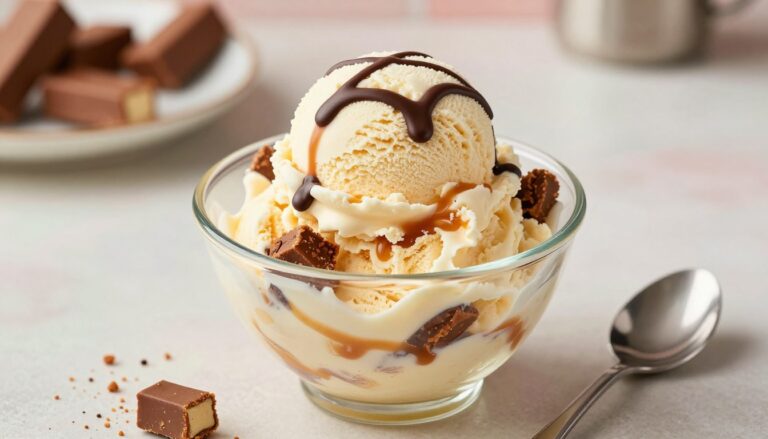

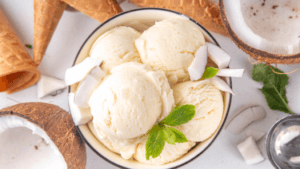

Easy Vanilla Ice Cream
4
servings30
minutes40
minutes300
kcal1
hour10
minutesA simple, creamy vanilla ice cream for beginners.
Keep the screen of your device on
Ingredients
1 cup 1 whole milk
2 cups 2 heavy cream
0.75 cup 0.75 granulated sugar
2 teaspoons 2 vanilla extract
1 pinch 1 salt
Directions
- In a mixing bowl, whisk together the whole milk and granulated sugar until the sugar is completely dissolved.
- Add the heavy cream, vanilla extract, and a pinch of salt, whisking until all ingredients are well combined.
- Cover the mixture and refrigerate for at least 2 hours or until well chilled.
- Pour the chilled mixture into your ice cream maker and churn according to the manufacturer’s instructions, typically 15-20 minutes.
- Once the ice cream has reached a soft-serve consistency, transfer it to an airtight container.
- Freeze for at least 2 hours before serving to achieve a firmer consistency.
Nutrition Facts
- Total number of serves: 4
- Calories: 200kcal
- Cholesterol: 50mg
- Sodium: 50mg
- Potassium: 90mg
- Sugar: 17g
- Protein: 2g
- Calcium: 90mg
- Iron: 0mg
- Thiamin: 0mg
- Riboflavin: 0mg
- Niacin: 0mg
- Folate: 0mg
- Biotin: 0mg
- Phosphorus: 0mg
- Iodine: 0mg
- Magnesium: 0mg
- Zinc: 0mg
- Selenium: 0mg
- Copper: 0mg
- Manganese: 0mg
- Chromium: 0mg
- Molybdenum: 0mg
- Chloride: 0mg
Did you make this recipe?
Tag @https://www.instagram.com/ice_cream_haven/ on Instagram and hashtag it with #IceCreamIceCreamHavens
Like this recipe?
Follow @https://www.pinterest.com/Ice_Cream_Haven/ on Pinterest
Join our Facebook Group!
Follow https://www.facebook.com/icecreamhavens/ on Facebook
Essential Gear and Ingredients for the Ninja Creami Pint
Start by gathering a few reliable tools and pantry staples to create a smooth pint-making workflow.
Tools matter. You’ll need the Ninja Creami unit and the official Creami pint container to keep the blade safe and ensure consistent texture. A handheld milk frother or an immersion blender helps eliminate clumps when you mix protein powder, cocoa, or thickeners.
- Scale (must-have): a digital kitchen scale gives precise grams for ingredients so you hit protein targets every time.
- Frother or blender (must-have): quickly disperse protein powder, powdered peanut butter, or collagen to avoid grit in the frozen block.
- Container rules (safety): never exceed the MAX FILL line—leave headspace for aeration so the blade can travel and the motor isn’t strained.
Core ingredients to keep on hand include Fairlife or other RTD milk, Greek yogurt, cottage cheese, and a quality protein powder. For creaminess in low-fat bases, add 1–2 tablespoons instant pudding mix, ~10 g unflavored collagen, or a pinch (1/4 tsp) of guar or xanthan gum.
Flavor essentials: cocoa powder, vanilla extract, and a few liquid sweeteners (agave, honey, or maple). When you’re ready to make a pint, whisk the base directly in the pint, rest 5–10 minutes to let bubbles settle, freeze level for 24 hours, then process in your Ninja Creami pint. See the Vanilla and Chocolate recipe cards below for tested starter measures and macro examples.
Ninja Creami Protein Ice Cream Recipes
Try four tested pint bases that turn simple pantry items into scoopable, higher-protein frozen treats. Each base below includes ingredient measures, a quick method, and a typical macro range so you can pick the one that fits your goals.
RTD shake + Greek yogurt + powdered peanut butter base (balanced protein, lower fat): combine a 12‑ounce ready‑to‑drink shake (Fairlife works well) with 3 ounces Greek yogurt and 2 tablespoons powdered peanut butter. Optional creaminess boosters: 2 tablespoons instant pudding mix, ~10 g collagen, or 1/4–1/2 teaspoon guar/xanthan gum. Whisk in the pint, rest 5–10 minutes, freeze level 24 hours, then process. Typical per‑pint estimate: ~300–350 calories, ~35–50 g protein depending on RTD and yogurt choices.
Greek yogurt base (thick, tangy, high-protein)
Ingredients: 1 1/4 cups Greek yogurt, 1/4 cup milk, 1 teaspoon vanilla, 1.5 scoops protein powder (vanilla or neutral). Sweeten to taste and add a pinch of instant pudding mix or 10 g collagen for silkier texture. Whisk until smooth, rest 5–10 minutes, freeze level 24 hours, then process on Lite Ice Cream. Typical range: ~300–445 calories, ~39–76 g protein (varies by powder and yogurt).
Milk + powder classic base (custard-like, very high protein)
Ingredients: 12 ounces milk (Fairlife 2% or preferred RTD), 1.5 scoops protein powder, 2 tablespoons instant pudding mix. For chocolate: add 10 g unsweetened cocoa powder. Whisk thoroughly in pint, rest, freeze 24 hours. This formula minimizes iciness and spins into a custard-like creami protein ice. Typical range: ~235–323 calories, ~41–62 g protein depending on milk choice.
Cottage cheese base (creamy, savory-sweet, very filling)
Ingredients: 1.5 cups cottage cheese, 1/2 cup milk, 2 tablespoons instant pudding mix, 1 tablespoon honey. Blend until smooth (use immersion blender) for a silky texture, rest 5–10 minutes, freeze level 24 hours, then process. Typical range: ~181–449 calories, ~14–86 g protein depending on cottage cheese fat level and added powder.
- Flavor tips: pair chocolate-leaning powders with cocoa or powdered peanut butter for depth; add a pinch of salt to enhance chocolate notes.
- Process note: keep mixture under the MAX FILL line, run Lite Ice Cream first, then add 1–2 ounces milk and Re-Spin if crumbly.
- Learn more: follow a full step-by-step guide for troubleshooting and Mix-In timing.
How to Prep Your Creami Pint for the Best Texture
How you mix and freeze the base is the single biggest factor in whether a pint finishes silky or grainy. Follow a short pre-freeze routine to reduce re-spins and avoid common texture problems.
Start by mixing the base right in the official Creami container. Use a whisk, handheld frother, or immersion blender and work until no dry pockets of powder remain—fully hydrated powders prevent chalky spots after spinning into ice cream.
- Rest 5–10 minutes: let foam and micro-bubbles dissipate so the surface freezes flat rather than trapping air pockets.
- Level freeze: place the pint on a flat shelf and freeze for 24 hours so the top sets even and the blade can cut uniformly.
- Lid and MAX FILL: stay below the MAX FILL line; some users freeze without the lid to avoid a center hump, but either approach must keep headspace so the blade can operate safely.
- Release and label: if a pint sticks, brief warm water around the outer container will loosen it—avoid prying. Label flavor and freeze date when batching pints for easy rotation.
Quick checklist — common mistakes: overfilling the pint, not whisking powders fully, and freezing on an uneven surface. Fix chalky pockets by re-whisking, resting 10 minutes, and refreezing if necessary.
Pro tip: keep ingredient temperatures similar before mixing and save large add-ins for the Mix-In stage. A printable prep checklist (see recipe cards) helps you repeat the exact steps for consistent, scoopable cream every time.
Spin, Re-Spin, and Mix-In: Mastering the Lite Ice Cream Setting
Begin with the Lite Ice Cream program to shave and aerate a frozen pint into a crumbly, semi-smooth base. Run the cycle for about 2–3 minutes and expect a sandy texture after the first pass—this is normal and part of the process.
Create a small well in the center of the spun pint, add 1–2 ounces of milk, and select Re-Spin. That tiny amount helps close gaps in the microstructure so the final result is creamy without thinning the entire pint. If it still feels sandy after one Re-Spin, try a second Re-Spin without adding more liquid first; too much milk can over-loosen the block.
- Add chunky mix-ins after the base is creamy. Use the Mix-In button for chocolate chips, cookie pieces, chopped nuts, or fruit so pieces suspend evenly and retain texture.
- Break large mix-ins into pea-sized bits to avoid overloading the blade path during the short Mix-In cycle.
- Keep the pint seated correctly in its outer container and never overfill—leave headspace so the blade can travel the full height of the frozen block.
This workflow preserves crunch and mouthfeel while letting you control sweetness and texture. For higher-protein pints, follow the same steps—spin, Re-Spin, then Mix-In.
Ninja Creami Protein Ice Cream Recipes Creaminess Boosters You Can Also Use

A few targeted boosters will turn a stiff, icy pint into a silky, scoopable treat. Use one or two per batch so flavor stays clean and texture stays balanced—track changes so you can repeat what works.
- Instant pudding mix: 2 tablespoons add body, reduce large ice crystals, and improve scoopability without extra churn time. Best for milk + powder and RTD-based pints.
- Unflavored collagen: ~10 grams increases viscosity and smooths mouthfeel, especially helpful in milk + powder bases where protein can make the block dense.
- Guar or xanthan gum: start with 1/4 teaspoon and scale to 1/2 teaspoon if needed—small amounts thicken and reduce iciness; too much yields a gummy texture.
- Higher-fat swaps: use whole milk, full-fat Greek yogurt, or blended cottage cheese to add dairy solids and richness for a custard-like cream without extra processing.
When to use each booster (quick guide):
- Pudding mix: use when iciness is the main issue and you want immediate scoopability.
- Collagen: use when you need viscosity and a silkier mouthfeel without adding sweetness.
- Gums: use sparingly for very lean bases (low-fat dairy or water-based mixes) that still freeze too hard.
- Fat swaps: use when you prefer a naturally richer mouthfeel and don’t mind slightly higher calories.
If texture problems persist after these adjustments, consult the Troubleshooting section for rescue steps (refreeze & re-spin strategy) and consider small test batches to dial in the exact grams and liquid needed for your specific powder and base.
Sweeteners and Flavor Enhancers That Improve Texture
A few targeted additions both reduce large ice crystals and deepen flavor. Use them sparingly so you preserve mouthfeel without over‑sweetening the base.
Agave nectar pulls double duty: it sweetens and helps limit large crystal formation so a pint feels smoother after a single Re-Spin. Taste the mix before freezing so you add only what’s needed.
- Agave amounts: start with 2 tablespoons if your powder is already sweetened; increase to 3 tablespoons for unsweetened powders. Liquid sweeteners also help lower freezing point slightly, which improves scoopability.
- Vanilla extract: 1 teaspoon brightens flavor and rounds out whey or casein edges after freezing—especially useful in vanilla protein or Fairlife-based pints.
- Cocoa powder: unsweetened cocoa adds deep chocolate notes with minimal fat; ideal for milk + powder and Greek yogurt bases.
- Taste first: sample and adjust sweetness before freezing to avoid thinning the base with too much liquid sweetener.
Flavor Combos to Try Right Now
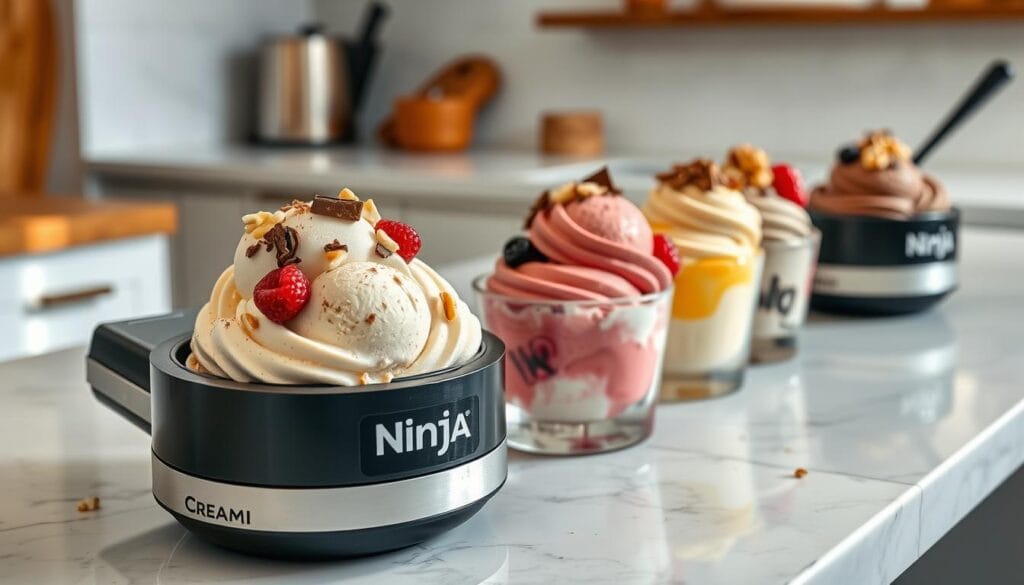
These tested pairings make it easy to pick a bold flavor direction for your next pint. Each combo below includes a quick ingredient map and a note on whether it usually needs a booster (pudding mix / collagen / gum) to reach ideal texture.
Banana + chocolate + banana pudding
Banana Greek yogurt + chocolate protein + 1–2 tbsp banana instant pudding. Result: creamy, fruity chocolate notes. Booster note: often needs less pudding because banana adds body.
Red velvet + chocolate + chocolate pudding
Red velvet yogurt + chocolate protein + chocolate pudding mix concentrates cocoa and tangy yogurt. Mix-ins: mini chocolate chips (1–2 tbsp) after first spin for crunch. Higher-calorie combo — note portion size if tracking calories.
Salted caramel + vanilla + cheesecake pudding
Salted caramel yogurt + vanilla protein + cheesecake pudding mix yields a sweet-salty base that pairs well with pretzel or toffee bits (1/4 cup) on the Mix-In cycle. Booster: pudding mix recommended to round texture.
Pistachio + vanilla + pistachio pudding
Pistachio yogurt + vanilla protein + pistachio pudding for a nutty, aromatic profile. Add chopped pistachios (2 tbsp) after the first spin for crunch. Use less added sweetener—pistachio bases can taste sweeter.
Strawberry + banana + white chocolate pudding
Strawberry yogurt + banana protein + white chocolate pudding mix for a bright, creamy result. Fold in fresh strawberries after spinning to preserve color and texture. Booster note: may need a small collagen addition (~10 g) if using a plant-based powder.
- Taste before freezing: adjust sweetness with a touch of agave if your powder is lightly sweetened.
- Match mix-ins: pick add-ins that reinforce the theme (e.g., chopped pistachios for pistachio, pretzel bits for salted caramel).
- Mind the fill line: puddings and powders add density and can raise volume during aeration—stay below MAX FILL.
Nutrition Snapshot: Calories, Protein, Sugar, and Saturated Fat
Use these typical calorie and macro ranges to choose the best base for your goals. The estimates below are ranges based on commonly used ingredients (Fairlife 2% milk, typical Greek yogurt and cottage cheese, and standard protein powders). When tracking, log each ingredient separately so your totals match the exact brands and scoop sizes you use.
Macronutrient ranges by base (typical per pint)
| BaseCaloriesProteinNotes | |||
| Fairlife-based pint | ~281–317 kcal | ~43 g | High protein with lower sugar when using Fairlife RTD milk; good balance for a vanilla protein ice. |
| Greek yogurt base | ~297–445 kcal | ~39–76 g | Range varies by yogurt fat level and added powder; very high‑protein options possible. |
| Milk + powder | ~235–323 kcal | ~41–62 g | Fat‑free or almond milk drops calories; dairy milks yield richer mouthfeel and more calories. |
| Cottage cheese base | ~181–449 kcal | ~14–86 g | Wide range depending on cottage cheese fat content and whether you add protein powder. |
How add-ins change the picture
Mix-ins quickly alter calories, fat, and sugar. Nuts and chocolate chips add fats (including some saturated fat) and calories; cookies raise sugar with little fiber; fresh fruit adds natural sugar plus a small fiber bump that can improve satiety. For example, 2 tablespoons of mini chocolate chips add roughly 100 kcal and several grams of sugar to the pint.
Tracking tips for repeatable results
Log each ingredient separately and standardize your powder scoop size and sweetener amounts. A kitchen scale in grams is the most reliable way to hit consistent protein targets.
- Tip: weigh add-ins and record serving sizes to control calories.
- Tip: to lower saturated fat, choose low‑fat milk or nonfat yogurt and compensate with a creaminess booster (pudding mix, collagen, or a small gum).
- Tip: small changes to mix-ins often shift total calories more than switching the base.
Vanilla Protein Ice Cream with Fairlife Milk (example)
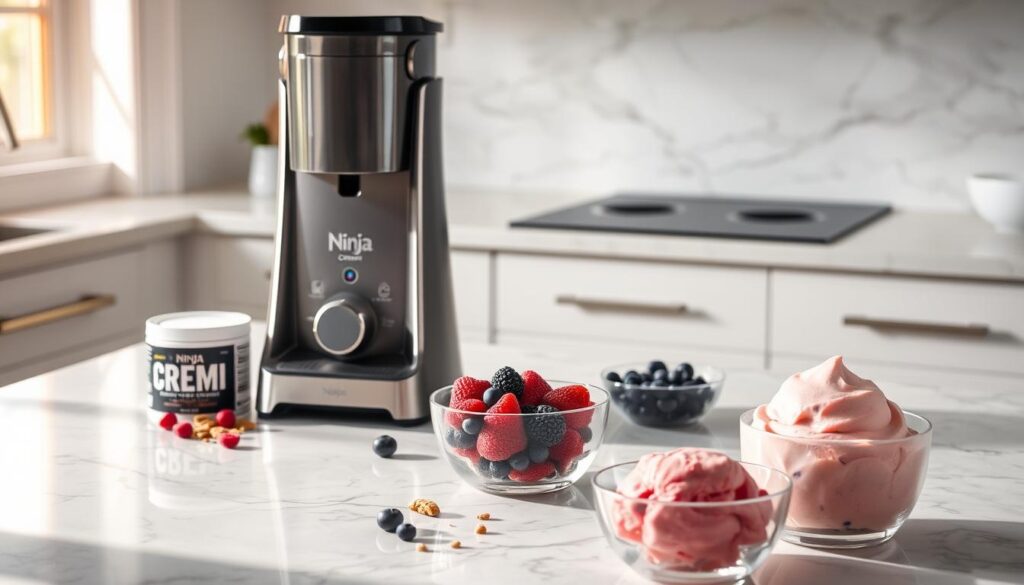
This clean vanilla base is reliable for learning how different powders affect mouthfeel and nutrition. It’s easy to batch for meal prep.
Base recipe: 1.5 cups Fairlife 2% milk + 1 scoop vanilla protein powder + 2–3 tbsp agave + 1 tsp vanilla extract. Whisk in the pint until smooth, rest 5–10 minutes, freeze level for 24 hours, then process on Lite Ice Cream.
Quick process note: expect a crumbly first pass; add 1 tablespoon Fairlife milk and Re-Spin to reach scoopable texture.
How different protein types change texture
Whey usually aerates lighter and gives an airier body. Casein can create a thicker, creamier mouthfeel and may reduce respins. Plant-based powders often spin denser and sometimes need an extra splash of liquid during Re-Spin or a viscosity booster like collagen.
Dialing sweetness with agave
Start with 2 tablespoons agave if your powder is already sweet; use 3 tablespoons for unsweetened powders to reach balanced vanilla notes without being cloying. Taste the mix before freezing.
- Taste before freezing: a splash of vanilla extract (1 tsp) lifts aroma without adding calories.
- Storage: store sealed in the pint container; for best texture, reprocess briefly after softening. Use within two weeks for peak flavor.
- Mix-ins: fold in chunky add-ins with the Mix-In setting so pieces stay distinct.
- Keep the MAX FILL line: powders and agave can expand volume during mixing—overfilling limits blade travel and hurts results.
Chocolate Protein Ice Cream and Peanut Butter Variations
Balance cocoa, protein powder, and a small stabilizer to avoid grainy blocks and get a smoother first spin.
Chocolate base
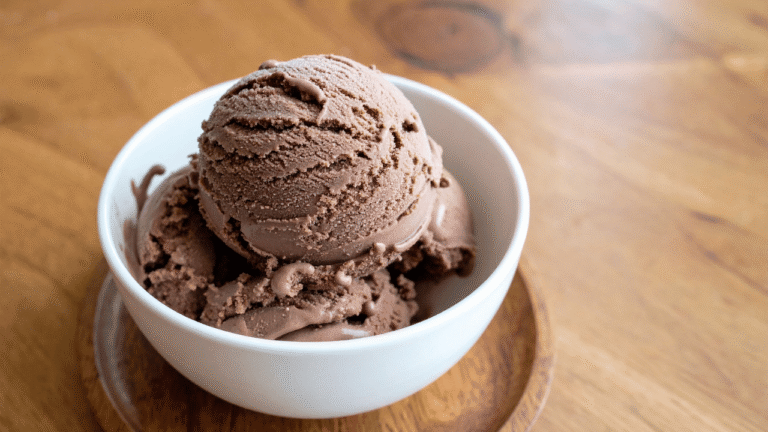
Whisk 12 ounces milk with 1.5 scoops protein powder, 10 g unsweetened cocoa powder, and 2 tablespoons instant pudding mix. Sweeten lightly if your powder is unsweetened.
Peanut butter swirl
For a PB vibe, combine a 12‑ounce RTD shake with 3 oz Greek yogurt and 2 tbsp powdered peanut butter. Freeze level for 24 hours; use mini chips or small swirls as Mix-Ins.
- Texture tip: run Lite Ice Cream, then add 1–2 ounces milk and Re-Spin if crumbly.
- Flavor tip: a pinch of salt brightens cocoa notes in milk-forward bases.
- Mix-in size: use mini chips or finely chopped candies so pieces suspend evenly.
- Adjust boosters: casein-forward powders may need slightly less pudding mix to avoid an overly dense result.
Troubleshooting Texture: Icy, Crumbly, or Too Soft
Most texture issues are fixable with a quick assessment and an appropriate spin or ingredient tweak. First, evaluate the result from the initial Lite Ice Cream spin: a crumbly, sandy texture is normal. Follow the rescue steps below to reach a scoopable, creamy finish.
Quick rescue — step-by-step
- If the first pass is crumbly: create a small well and add 1–2 ounces (30–60 mL) of milk, then select Re-Spin.
- If it remains sandy after one Re-Spin: run a second Re-Spin without adding more liquid (this protects structure).
- If the pint tastes icy: next batch add a creaminess booster (2 tbsp instant pudding mix, ~10 g unflavored collagen, or 1/4 tsp guar/xanthan) or try a higher-fat swap.
- If the pint is too soft: refreeze for a few hours until firmer, then re-run the Lite Ice Cream setting. For future batches, reduce added liquid and stay below the MAX FILL line.
When to re-spin, how much liquid to add, and fixing overfilled pints
Add small amounts of liquid incrementally—1–2 ounces is usually enough to close micro-voids without thinning the whole pint. Avoid adding tablespoons as your main measure; ounces (or mL) give more control. Overfilled containers often yield overly soft or uneven results—always keep the mix below the MAX FILL line to preserve blade travel and structure.
Level freezing, lid considerations, and avoiding blade issues
Freeze pints on a level shelf for 24 hours so the top sets flat and the blade can cut evenly. A tilted freeze creates hard pockets that the blade can miss. Some users freeze without the lid to avoid a center hump that blocks the blade; if you do this, cover the pint for storage after freezing.
If a pint is stuck to the outer container, run warm (not hot) water briefly around the sides to release it. Don’t pry or twist the plastic—this preserves the container and blade housing.
- Quick checklist: crumbly → add 1–2 oz milk → Re-Spin; icy → add booster next batch; too soft → refreeze & Re-Spin.
- Label your notes on how much liquid you used during each Re-Spin so you can reproduce successful results.
- Keep add-ins small and add them with the Mix-In cycle to preserve texture (mini chocolate chips, cookie crumbs, chopped nuts).
Storage, Meal Prep, and Ready-to-Eat Tips
Batch prep pays off if you follow basic storage rules to protect flavor and texture.
Freezer guidance and quick refresh
Store finished pints in the official pint container with a tight lid to reduce odor pickup and moisture loss. Label lids with flavor and freeze date and rotate stock. For best scoopability, let a pint sit at room temperature 1–2 minutes, then run the Lite Ice Cream program for a short refresh to revive mouthfeel and reduce large crystals.
Batch prep, recipe cards, and serving tricks
Freeze multiple pints level on one shelf and keep them under the MAX FILL line. Save chunky mix-ins for serving—use the Mix-In cycle at time of serving to preserve crunch and separation.
- Keep a small “top-off” bottle of milk near your workstation for quick Re-Spins.
- Use a recipe card to record powder brand, scoop size (grams), sweetener, and boosters for repeatable results.
- Rotate pints within two weeks for peak flavor and texture.
Conclusion
Ninja Creami Protein Ice Cream Recipes are reproducible when you follow the same prep and processing steps. Choose a base—Fairlife, Greek yogurt, milk + powder, or cottage cheese—whisk until smooth, rest 5–10 minutes, and freeze level for 24 hours.
Process on the Lite Ice Cream setting, then add 1–2 ounces of milk and Re-Spin if needed. Use the Mix-In cycle for nuts, fruit, or chips so chunks stay distinct. Boosters like instant pudding, unflavored collagen, or a small amount of gum can improve body in very lean bases. A touch of agave and a splash of vanilla extract lift flavor without wrecking texture—just taste before freezing.
With consistent prep and these troubleshooting steps, you can craft repeatable protein ice cream recipes and cream recipes that hit both taste and nutrition goals.
FAQ
What is the best base for high-protein pints?
How long must I freeze the pint before processing?
Do I need to pre-blend ingredients to avoid clumps?
When should I add extra milk during the Lite Ice Cream setting?
Which mix-ins work best for texture and flavor?
Can I use instant pudding mix to improve creaminess?
How do I keep homemade pints from becoming icy over time?
How much sweetener should I add, and which kind is best?
Will different protein types change the final texture?
Can I use powdered peanut butter or cocoa powder in the base?
How do I fix a pint that turned out too soft after spinning?
Is it better to batch-prep pints or make single servings?
How do add-ins affect nutrition like calories and fiber?
What gear besides the pint container should I have on hand?
Can I use ready-to-drink shakes as a base?
How can I get richer flavor without increasing saturated fat too much?
Actionable CTA: Save your three favorite bases and download the printable recipe card to keep on your fridge for repeatable results.