Skip to content

Dairy and Sugar Free Ice Cream
4
servings30
minutes40
minutes300
kcal1
hour10
minutesA simple and delicious dairy-free, sugar-free ice cream recipe.
Keep the screen of your device on
Ingredients
2 cups 2 coconut milk
0.5 cup 0.5 maple syrup
1 tablespoon 1 vanilla extract
0.25 teaspoon 0.25 salt
Directions
- In a blender, combine the coconut milk, maple syrup, vanilla extract, and salt until smooth and well mixed.
- Pour the blended mixture into an airtight container and refrigerate for at least 2 hours or until completely chilled.
- Once the mixture is chilled, pour it into an ice cream maker and churn according to the manufacturer's instructions.
- Typically, churning should take about 15-20 minutes until the mixture reaches a soft-serve consistency.
- Transfer the ice cream to a lidded container, cover tightly, and freeze for at least 1 hour for a firmer texture.
- For best results, serve the ice cream slightly softened by allowing it to sit at room temperature for a few minutes.
Recipe Video
Nutrition Facts
- Total number of serves: 6
- Calories: 150kcal
- Cholesterol: 0mg
- Sodium: -mg
- Potassium: -mg
- Sugar: -g
- Protein: -g
- Calcium: -mg
- Iron: -mg
- Thiamin: -mg
- Riboflavin: -mg
- Niacin: -mg
- Folate: -mg
- Biotin: -mg
- Phosphorus: -mg
- Iodine: -mg
- Magnesium: -mg
- Zinc: -mg
- Selenium: -mg
- Copper: -mg
- Manganese: -mg
- Chromium: -mg
- Molybdenum: -mg
- Chloride: -mg
Did you make this recipe?
Tag @https://www.instagram.com/ice_cream_haven/ on Instagram and hashtag it with #IceCreamIceCreamHavens
Like this recipe?
Follow @https://www.pinterest.com/Ice_Cream_Haven/ on Pinterest
Join our Facebook Group!
Follow https://www.facebook.com/icecreamhavens/ on Facebook
Why This Dairy-Free, Sugar-Free Ice Cream Works Right Now
Want a scoopable, low‑sugar frozen dessert today? Use a blender for a no‑machine path or an ice cream maker when you want an ultra‑smooth finish. Both routes are fast and use easy pantry items.
User intent: a simple, healthy dessert you can make today
This method trims steps without sacrificing creamy texture. Full‑fat coconut supplies the saturated fat that mimics milk fat. Nut butter adds bulk and viscosity, which helps reduce large ice crystals.
What makes it creamy without dairy or refined sweeteners
Dry sweeteners like erythritol or monk fruit avoid added water that causes brittle, icy results. A small splash of vanilla or a neutral spirit lowers the freezing point so the final scoop stays soft.
- Pro tip: Turn the maker on first and pour in while churning to prevent the mix from freezing to the sides.
- For no‑machine: freeze the base in trays and blend cubes to a thick, creamy blend—perfect for a quick chocolate or vanilla switch.
Expect 10–30 minutes of active time plus setting. Once the base is smooth and well blended, flavor tweaks are easy and the texture stays consistent.
Dairy and Sugar Free Ice Cream Recipe
Begin by blending a rich coconut base so the final texture stays silky whether you churn or use the no‑machine path.
Yields & timing: Makes about 4 cups (roughly six 1/2‑cup servings). Active prep: 10–15 minutes. Chill the blended base ~60 minutes, churn 10–25 minutes depending on your machine, then set in the freezer about 60 minutes before serving. No‑machine option: freeze cubes 4 hours to overnight, then blend to serve.
- One 14 oz can full‑fat coconut milk or coconut cream for structure and fat.
- About 1/4 cup cashew or 1/3 cup almond butter for body.
- 1–2 tablespoons pure vanilla extract.
- A dry low‑glycemic sweetener (erythritol, monk fruit, or pure stevia powder).
Use full‑fat coconut options to avoid thinning the mix. Blend in a high‑speed blender to emulsify the milk, nut butter, and sweetener so the texture stays consistent during churning or when you blend frozen cubes.
“Chill the base for about 60 minutes; it helps the machine reach a soft‑serve stage faster.”
Quick add‑in tip: fold chocolate or nuts into the mix after churning. This cream recipe makes a stable vanilla ice cream base you can flavor again and again. For step‑by‑step instructions, jump to the detailed process below or visit this full guide.
Ingredients That Deliver a Creamy Texture
Start with concentrated coconut fat to anchor the texture, then layer in binders and flavors. The right base and small boosters make a huge difference in scoopability.
Base: full‑fat coconut milk or coconut cream
Use full‑fat coconut milk or coconut cream (Thai Kitchen is a good example) to supply saturated fat that stabilizes emulsions and limits large ice crystals. Avoid light or low‑fat versions; they thin the mixture and give an icy result.
Cream boosters: almond or cashew butter
Almond or cashew butter increases viscosity and replaces bulk lost from reduced sugar. Start with 1/4 to 1/3 cup per 14 oz can of coconut milk for a smooth, dense cream.
Sweetness: stevia, erythritol, monk fruit (what to avoid)
Choose dry sweeteners—pure stevia powder or erythritol blends with monk fruit—to avoid added water that causes iciness. Add sweetener sparingly; taste after blending since you cannot remove excess later.
Flavor: vanilla and optional alcohol
One to two tablespoons of pure vanilla extract gives a classic vanilla profile. A tablespoon of neutral spirit or extra vanilla lowers the freezing point for a softer set.
- Blend the mixture until homogeneous to prevent separation during chilling.
- Seed butters work as substitutes, with a subtle flavor shift; cashew is the most neutral.
- A pinch of salt brightens the final balance when using unsalted butter.
Keep notes on ratios so you can repeat the exact creamy texture you like. For a full walkthrough, see this full guide.
Equipment: Dairy and Sugar Free Ice Cream recipe Maker vs Blender/No-Churn
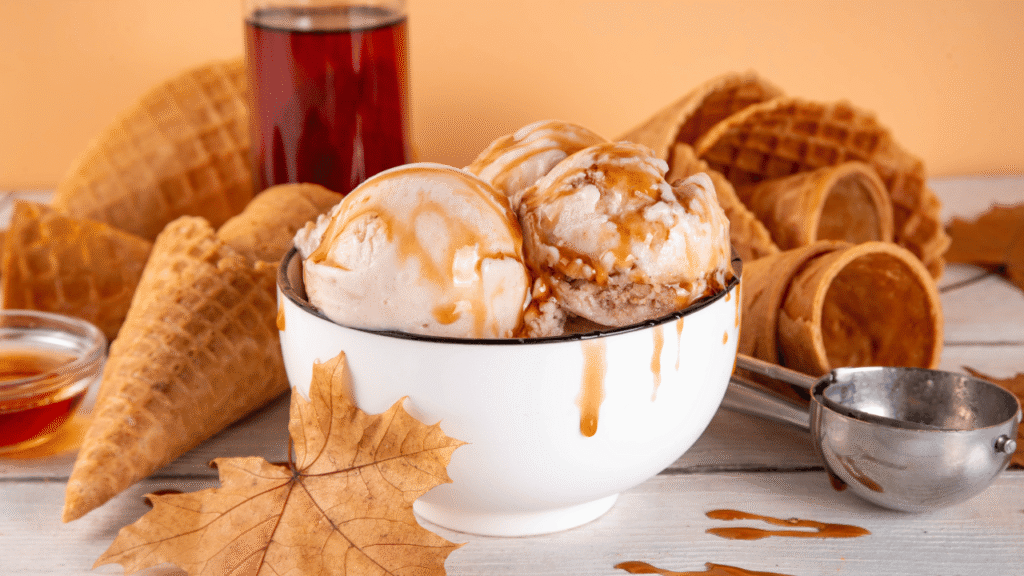
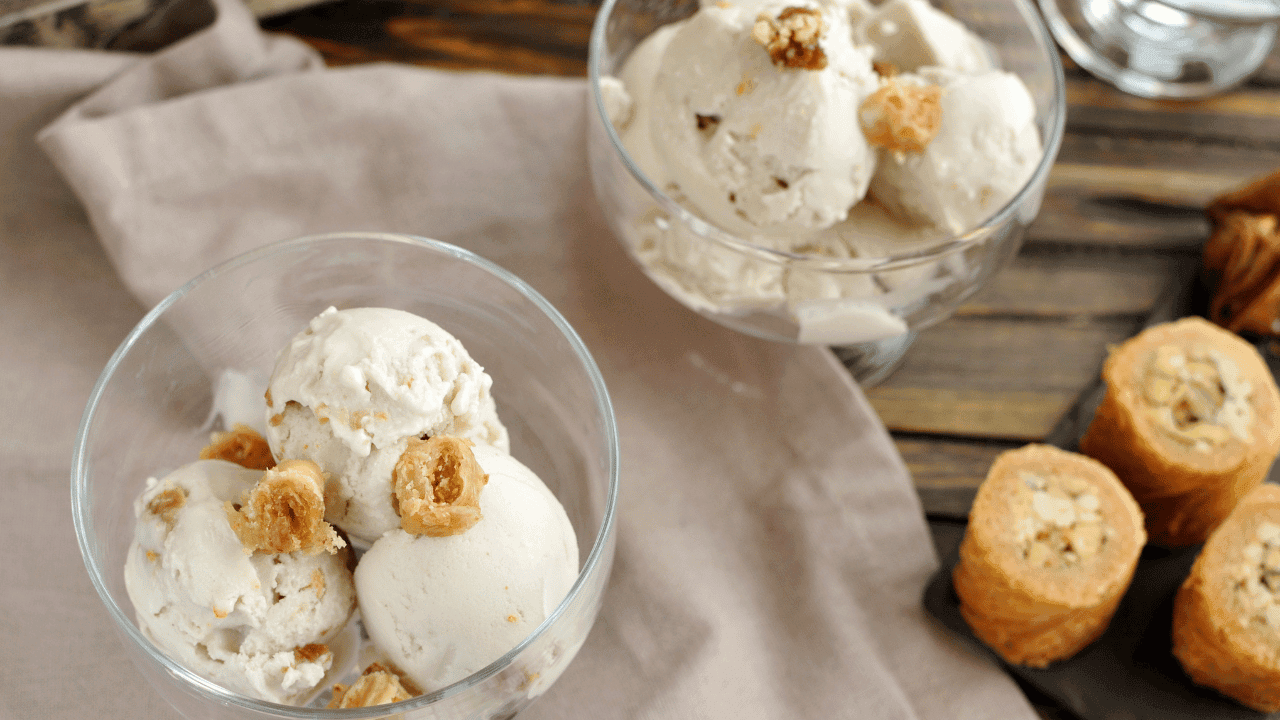
Choosing the right tool shapes the final scoop more than you might think. A dedicated unit churns and freezes simultaneously, while a blender path uses frozen cubes for a fast soft‑serve. Read the pros and best practices below to pick the simplest route for your kitchen and schedule.
Why use an electric maker?
An ice cream maker delivers the closest texture to traditional churned dessert. Continuous freezing plus aeration limits large crystals and adds lightness. For best results, freeze the bowl 12–24 hours until no liquid sloshes; a partially frozen bowl causes sticking and uneven set.
Operational tip: Turn the cream maker on first, then pour mixture slowly in a steady stream. This prevents the base from freezing to the sides and stalling the dasher.
No‑machine: blender plus ice cube trays
Freeze the base in trays for at least four hours, ideally overnight. Use silicone trays for easy release. Let cubes sit a few minutes at room temp to ease blending, then pulse to a thick, creamy puree.
- Churn ~10 minutes for a fluffy structure with good overrun.
- Small alcohol additions help avoid a rock‑hard freezer set for long storage.
- Extras: instant‑read thermometer, flexible spatula, and a shallow metal pan speed finishing and transfer.
“Turn the maker on before you pour to prevent immediate freeze-on.”
Step-by-Step: Make the Vanilla Ice Cream
A simple workflow turns your blended base into a scoopable frozen treat. Follow timing and temperature to keep texture smooth and consistent.
Blend the mixture for a homogenous base
Combine full‑fat coconut milk or coconut cream, nut butter, dry sweetener, and vanilla extract in a blender. Process until the mix is completely smooth with no streaks so fats are emulsified and the sweetener dissolves.
Chill, churn for 10-25 minutes, then freeze to set
Pour the blended base into a container and chill about one hour. This reduces temperature shock when it hits the frozen bowl.
Insert the frozen bowl into your maker, start it, then pour mixture slowly while churning. Churn roughly 10–25 minutes until the texture is soft‑serve‑like.
Transfer to a shallow pan and place in the freezer about one hour to firm. Let rest 5–10 minutes at room temperature before scooping for clean, rounded portions.
No‑churn path: freeze cubes, blend to soft-serve
Pour the base into ice cube trays and freeze at least four hours or overnight. Let cubes sit 10–15 minutes, then blend on high about five minutes until thick and creamy.
Move the soft‑serve to a loaf pan for a brief set if you want a firmer hold. Use a wetted scoop for neat servings and repeat the timed steps—blend, chill, churn, set—to keep results consistent.
Dairy and Sugar Free Ice Cream recipe Pro Tips for Ultra-Smooth, Scoopable Texture
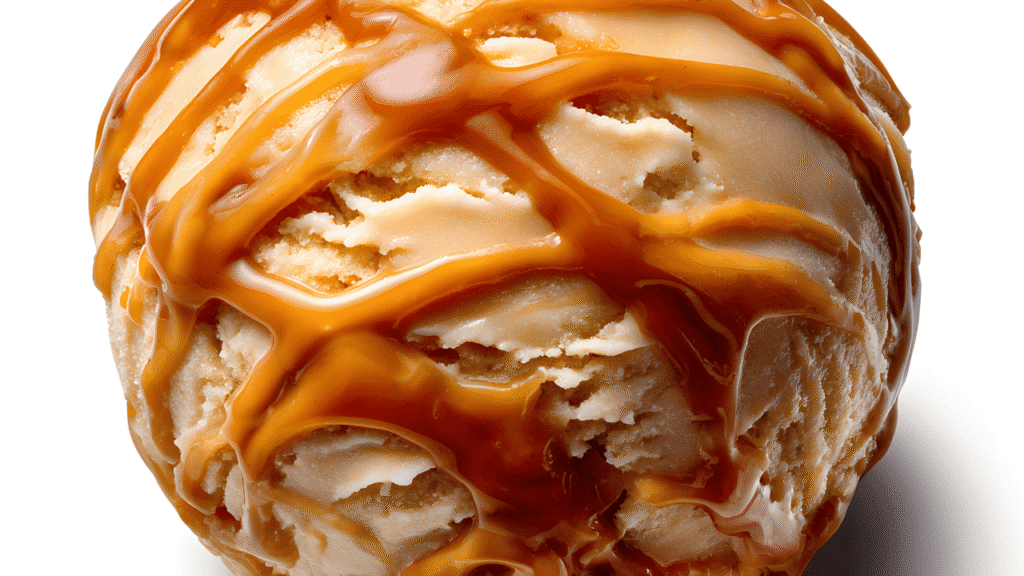
Tiny shifts in timing and temperature make the biggest difference to a silky, scoopable finish. These steps protect the structure you build while blending and churning so the final spoonful stays soft and even.
Prep the maker bowl: Fully freeze the bowl for 12–24 hours. A rock-solid bowl extracts heat fast and prevents the mix from freezing to the sides.
Pre-chill the mix: Chill the blended base about one hour before you churn. Start the machine, then pour slowly while it runs to promote micro-aeration and reduce crystal size in the cream maker.
- Add softness: Stir in 1–2 tablespoons vanilla extract or a splash of neutral spirit to lower the freezing point and keep a softer set in the freezer.
- Finish for serving: After a brief final freeze, let the container sit at room temperature 5–10 minutes before scooping. Dip a warmed scoop between passes for clean, round portions.
“For best results, serve the set the same day and store in a shallow, airtight container to preserve fresh-churned texture.”
For more advanced tips on achieving the creamiest icy treats, see creamiest icy treats.
Flavor Variations and Mix-Ins
A few simple add-ins lift the base into many tasty directions. Choose a classic path or push toward bold chocolate or fruity twists. Keep additions light so the structure stays creamy and scoopable.
Classic vanilla and rich chocolate
For a clean vanilla: stick with the base and boost pure vanilla to taste. This preserves the smooth body and highlights coconut notes.
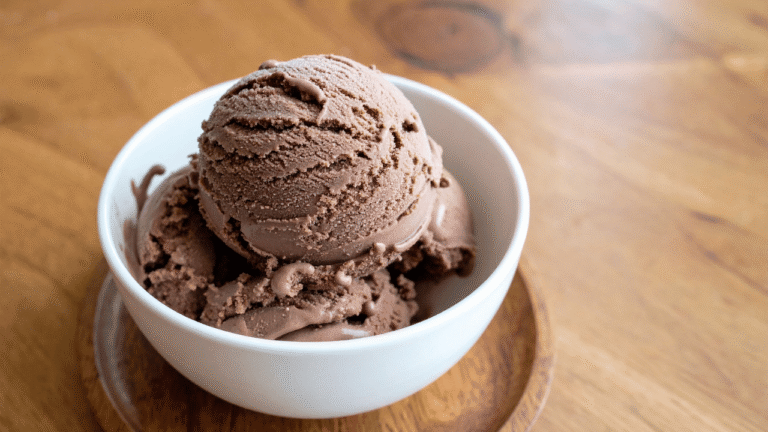
For chocolate: blend in unsweetened cocoa to create a deep chocolate ice cream. Adjust dry sweetener slowly while tasting so the profile stays balanced.
Nut butters, toasted nuts, and sugar-free chips
Swirl peanut or cashew butter for ribbons of flavor. Fold in toasted pecans, almonds, or walnuts after churning so they stay crisp.
Pick chocolate chips sweetened with erythritol or monk fruit for a sugar-free mix-in that keeps each scoop speckled with crunchy chocolate ice.
Extracts, fruit, and blender tips
Use mint, almond, or citrus extracts sparingly to craft seasonal flavors without overpowering vanilla.
For a low-sugar fruit variant, add small amounts of mango or raspberry during blending. For softer texture from the blender, splash a little almond milk and pulse for about five minutes after cubes thaw slightly.
- Taste as you go: tweak cocoa and sweetener to prevent bitter or flat results.
- Texture options: pulse mix-ins for fine distribution, or fold by hand for big chunks.
- Keep notes: record quantities so your favorite vanilla ice or chocolate batch is easy to repeat.
Dairy and Sugar Free Ice Cream recipe Storage, Serving, and Make-Ahead
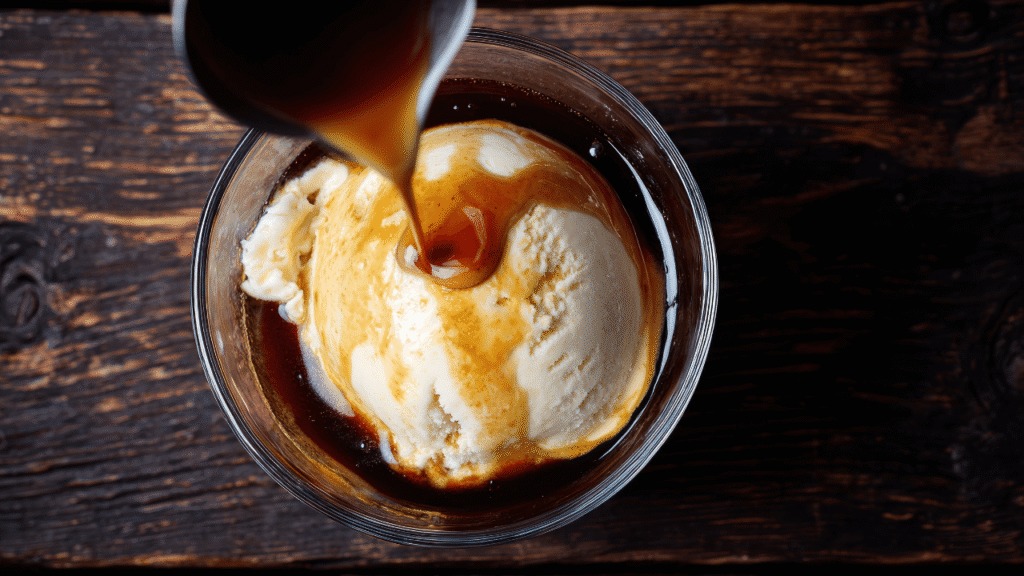
Proper storage and gentle thawing preserve the silky mouthfeel of each scoop. The very best texture is on the first day after churning or blending, when structure is most delicate.
Short-term holding and long-term storage
Serve same day when possible. For make-ahead convenience, pack the batch into an airtight, freezer-safe container and place it in the coldest part of the freezer.
Most sources recommend keeping leftovers up to one month; some reliable tests extend that to two months with stable temperatures. Use shallow containers and press parchment on the surface to limit frost.
Thawing, scooping, and refreeze guidance
Move the tub to the counter and let it rest briefly at room temperature for easier scooping. If you prefer a gentler temper, soften in the refrigerator for 1–2 hours before serving.
If a batch becomes very firm, warm in short intervals rather than rushing. Avoid repeated thaw-and-refreeze cycles; portion into smaller tubs if you plan multiple sittings.
- Best practice: serve the first day for peak texture.
- Use shallow pans to speed even freezing and quicker tempering.
- Label the date so you can track freshness in the freezer.
- For special plating, pre-scoop onto a chilled sheet, re-freeze briefly, then serve.
“Softening slightly at room temperature for 5–10 minutes makes scooping clean and easy.”
Nutritional Notes and Dietary Considerations
Know that most calories in this frozen treat come from coconut fat. Full‑fat coconut gives the scoop its silky mouthfeel and helps you feel satisfied with smaller portions.
Sweetener choice matters: dry low‑glycemic sweeteners such as erythritol, monk fruit, or stevia keep added sugar low and help the set stay smoother. Liquid sweeteners like honey or maple add natural sugars and change texture and flavor, with maple adding a distinct note.
- Nut butters add extra fat plus a bit of protein, boosting mouthfeel and satiety.
- Read labels on coconut milk or coconut cream to avoid added fillers or excessive water that thin the mix.
- Portion control affects macros: smaller scoops deliver the same sensory pleasure with lower calories.
- Tolerance varies: some people find sugar alcohols like erythritol cause sensitivity, so adjust sweetener type and amount.
Dietary fit: this dairy‑free option avoids milk proteins, making it suitable for those with lactose or milk sensitivities while still offering a rich cream experience.
“Keep a consistent ingredient list and quantities when tracking nutrition so your estimates stay accurate.”
Use this flexible framework to tune macros and flavor while preserving a creamy finish in every batch of this ice cream recipe.
Conclusion
Master the chill, churn, and brief set routine to get repeatable, restaurant‑style texture at home.
Start with a full‑fat coconut base, blend well with nut butter and a dry sweetener, then follow the chill‑churn‑set cadence to make a lush, scoopable ice cream.
Choose an ice cream maker for the silkiest finish or the no‑machine blender path for speed. Begin with a vanilla base to learn technique, then move into chocolate and other bold flavor plays.
Small steps matter: fully pre‑chill equipment, pour into a running machine, or add a splash of vanilla or neutral spirit to keep the set soft. Temper briefly before serving; dip your scoop in warm water for clean portions.
This cream recipe is a reliable framework. Make ice cream this week, try chocolate ice options, and share which versions you loved most.
FAQ
What makes this dairy‑free, sugar‑free frozen dessert creamy without milk or cane sugar?
How long does the vanilla base take from start to scoopable dessert?
Can I use canned coconut milk straight from the can?
Which sweeteners work best and which should I avoid?
Do I need an ice cream maker, and what’s the no‑machine alternative?
How can I prevent the final product from turning rock‑hard in the freezer?
What mix‑ins and flavor variations hold up well in a low‑sugar formula?
How should I store and thaw this dessert for best scooping texture?
Can I make this nut‑free or lower the fat content?
Is this suitable for people following low‑carb or keto plans?
Can I make chocolate versions with the same method?
How do I adapt the recipe for an ice cream maker with a frozen bowl?
What are quick tips for getting smooth, scoopable results every time?