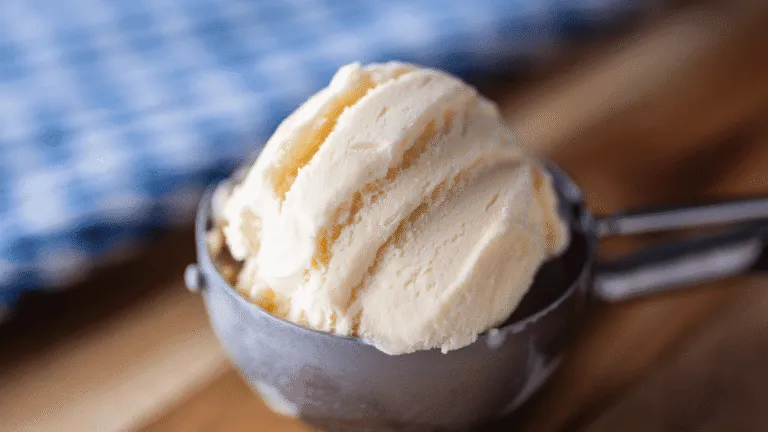

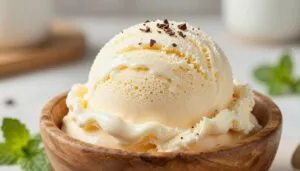

Eggless Ice Cream
4
servings30
minutes40
minutes300
kcal1
hour10
minutesA creamy and delicious homemade ice cream recipe, perfect for those who prefer an egg-free dessert.
Keep the screen of your device on
Ingredients
2 cups 2 heavy cream
1 cup 1 milk
3/4 cup 3/4 sugar
1 teaspoon 1 vanilla extract
1/4 teaspoon 1/4 salt
Directions
- In a medium mixing bowl, whisk together the heavy cream, milk, sugar, and salt until the sugar is completely dissolved.
- Stir in the vanilla extract and mix until well incorporated; ensure all ingredients are evenly combined for best results.
- Pour the mixture into an ice cream maker and churn according to the manufacturer's instructions until thickened.
- Transfer the ice cream to an airtight container, smooth the top, and freeze for at least 4 hours or until firm.
- Before serving, let the ice cream sit at room temperature for a few minutes to soften slightly for easier scooping.
Recipe Video
Nutrition Facts
- Total number of serves: 4
- Calories: 200kcal
- Cholesterol: 45mg
- Sodium: 50mg
- Potassium: 80mg
- Sugar: 19g
- Protein: 2g
- Calcium: 80mg
- Iron: 0mg
Did you make this recipe?
Tag @https://www.instagram.com/ice_cream_haven/ on Instagram and hashtag it with #IceCreamIceCreamHavens
Like this recipe?
Follow @https://www.pinterest.com/Ice_Cream_Haven/ on Pinterest
Join our Facebook Group!
Follow https://www.facebook.com/icecreamhavens/ on Facebook
The science behind texture: lactose sandiness vs. ice crystals
What you feel on the tongue traces back to chemistry — either lactose forming tiny gritty grains or water forming larger ice crystals. Both change how a scoop melts and how the flavors reach your palate, altering ice cream texture, creaminess, and overall taste experience.
Why “sandy” stays sandy: as water freezes into ice, non‑freezing components — including lactose — become concentrated in the remaining liquid. If the lactose concentration exceeds its solubility during cooling or storage, microscopic lactose crystals nucleate and persist at serving temperatures, producing a dry, sandy mouthfeel. Fine particulates from nuts, cookies, or chocolate can act as nucleation sites that encourage those crystals to form.
Heat shock and recrystallization: small ice crystals created during freezing can melt slightly during brief warm periods (for example, when the freezer door opens). On refreeze, those small nuclei fuse into fewer but larger crystals. Larger ice crystals feel icy or crunchy and reduce perceived creaminess; they are a common result of freeze‑thaw cycles and unstable freezing rates. Edges of pints often show the worst recrystallization because they experience the largest temperature swings.
- Quick diagnostic: persistent dry grit after the scoop melts = lactose crystals; a crunchy, shard‑like sensation that softens with warming = large ice crystals.
- Control formulation: aim for an appropriate balance of milk solids‑not‑fat (MSNF), sugars (including partial replacement with glucose or invert sugar), and stabilizers to limit free lactose and reduce crystal formation.
- Control process: fast freezing and a low draw temperature form many small ice nuclei and yield smaller ice crystals; minimize hold time and avoid repeated thaw/refreeze to slow recrystallization.
How to know which you have (quick checklist)
- Feel: dry, powdery grit = lactose; wet, crunchy shards = ice crystals.
- Taste: lactose crystals may register a faint sweet, powdery note; ice tastes neutral and watery.
- Behavior with warmth: lactose crystals persist as the sample warms; large ice crystals soften and the mouthfeel smooths.
- Context: high MSNF or extra whey/specific sugars increases lactose risk; frequent freezer door openings or portioning from a warm container suggests ice recrystallization.
Numbers to keep in mind: domestic freezer temps commonly swing several degrees when the door opens (briefly moving from a stable −18°C / 0°F toward warmer). Rapid hardening (as in blast freezers) chills product much faster and helps lock in smaller ice crystals. While crystal size ranges depend on many factors, the practical takeaway is: form many small crystals quickly and avoid conditions that let them merge into larger ones over time.
For deeper reading, consider technical sources on freezing and dairy chemistry (industry extension notes or food science textbooks) for details on lactose solubility, stabilizer types and typical inclusion rates, and process parameters that influence ice cream texture.
How to make gritty ice cream the right way: controlled texture without the crunch
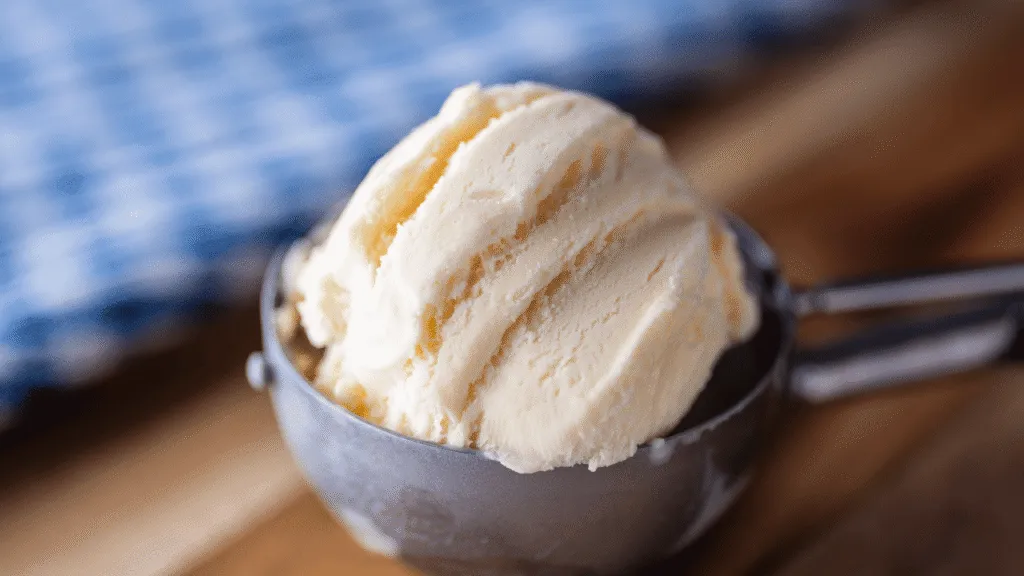
A thoughtful recipe and quick hardening let you keep small, lively crystals without unwanted crunch.
Choose smarter ingredients
Balance MSNF and total solids. Targeting appropriate milk solids‑not‑fat and overall solids helps keep lactose dissolved and reduces the chance of lactose crystals. If you repeatedly taste sandy notes, consider reducing whey or other high‑lactose components and replacing part of the sweetener with glucose or invert sugar to bind free lactose. For small‑batch home recipes, try modest changes first (for example, swap 5–10% of sucrose with glucose syrup) and record the result.
Process temperatures and time
Aim for a low draw temperature on the batch freezer and move pints to rapid hardening immediately. Faster freezing creates many small ice nuclei and yields smaller ice crystals; slow cooling or long hold times let crystals grow. In practical terms, chilling the churned mix quickly (as cold as your equipment allows) and getting pints into the coldest part of your hardener or freezer speeds the set and preserves a creamier texture and better consistency.
Flavor inclusions and particulates
Mix‑ins can contribute to both interest and problems. Prep nuts, cookies, and chocolate by sifting, toasting, or lightly coating to remove dust and fines; these tiny fragments act as seeds for crystals. Chop inclusions more coarsely and fold them in gently near the end of churning to minimize breakage. For chocolate and fruit, consider enrobing or glazing pieces so they release less powder and help maintain a smoother mouthfeel.
Containers and surface protection
Choose a snug, well‑fitting container and press a layer of parchment or plastic wrap directly on the surface before sealing. Reduce headspace to limit air and moisture movement that causes surface ice and stale notes. When possible, right‑size portions into smaller tubs to avoid repeatedly opening one large container (this reduces melt‑refreeze cycles and limits formation of larger ice crystals).
Quick recipe adjustments (try these)
- If you get persistent sandy grit: lower MSNF slightly, reduce high‑lactose whey, or add 2–4% glucose/invert sugar (test in small batches).
- If you get large ice shards: shorten hold time, harden rapidly, and avoid storing pints in variable zones of the freezer.
- To protect inclusions: toast nuts, dust them off, or coat with a thin syrup or chocolate glaze to reduce fines.
Troubleshooting texture
If grit stays after melting, suspect lactose crystals and adjust ingredients (MSNF, sugar composition, stabilizers). If a crunchy mouthfeel smooths as it warms, focus on handling and storage: faster freezing, less door time, and smaller portions will help. Use stabilizers cautiously (e.g., guar or locust bean gum) if you’re working at scale—these improve body and slow recrystallization, but follow recommended inclusion rates.
For more practical fixes and common production tips, see common homemade ice cream issues. Try a small experimental batch with one variable changed (sugar type, MSNF, or hardening time) and compare spoonfuls side by side to learn which adjustment improves creamy texture and overall ice cream quality.
Freezer strategy to keep ice cream smooth at home
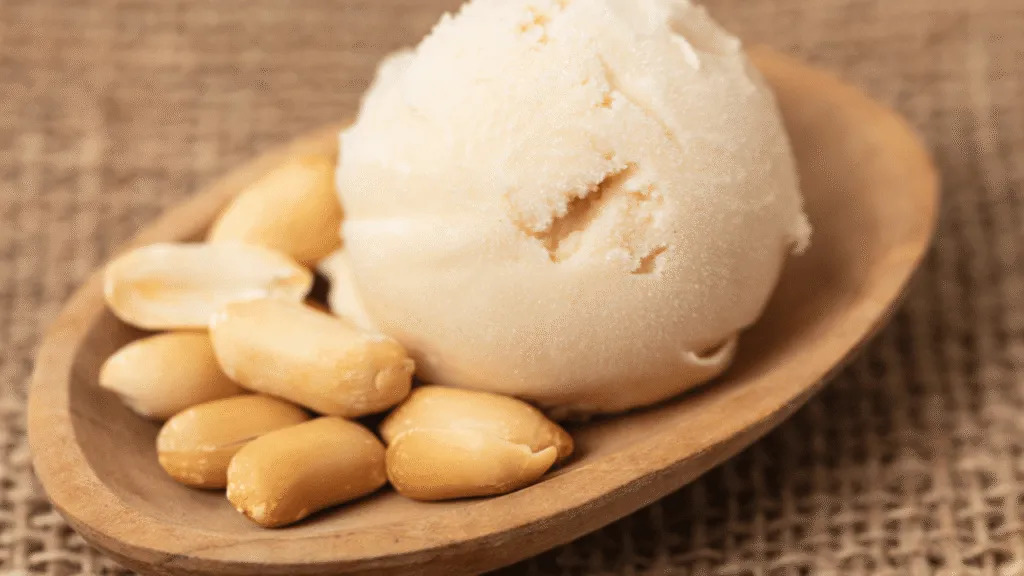
Treat the freezer like a climate zone: the back is stable, the door is not.
1. Placement matters: store in the back, not the door
Keep pints in the back where temperatures stay most steady. The door opens frequently and creates warm periods that let ice crystals grow along container edges; storing tubs in the rear reduces temperature swings and preserves a creamier, more consistent ice cream experience.
2. Stop melt–refreeze cycles: portion first, skip the microwave
Portion what you’ll eat before serving so the whole container doesn’t warm and refreeze—those cycles let small ice crystals merge into larger ice crystals over time. Never microwave a whole pint: uneven heating creates hot spots that accelerate recrystallization. Instead, soften briefly in the refrigerator (5–10 minutes) or dip your scoop in warm water for a cleaner scoop without damaging the product.
3. Prevent freezer burn: minimize air and protect the surface
Press parchment or plastic directly onto the surface, close a tight lid, and reduce headspace to limit air contact and moisture loss that cause surface ice and stale notes. Trim or transfer to a snug container, or tuck the tub into a zipper bag to stabilize the microclimate and slow ice growth.
“A few small habits—back-of-freezer storage, smart portioning, and tight seals—save texture and taste.”
Freezer checklist (at-a-glance)
- Target home freezer temperature: about −18°C / 0°F (check with a thermometer).
- Store tubs in the back or on a middle shelf, not the door.
- Press plastic on the surface and minimize headspace after each use.
- Portion into smaller tubs for frequent serving to avoid repeated thaw/refreeze.
- Chill bowls and scoops before serving to reduce thermal shock.
Practical tips: monitor your freezer for temperature swings (door openings can briefly raise local temps several degrees), reorganize to reduce unnecessary openings, and watch for surface frost as an early sign of freezer burn—refresh protection layers if you see frost. Try this for 7 days: move one favorite pint to the back of the freezer and portion before serving; compare texture and overall taste at week’s end.
- Chill bowls and scoops to reduce thermal shock when serving.
- Organize the freezer to cut door openings and hold steady temperatures.
- Watch for surface frost as a sign of freezer burn and refresh your protection layers.
Conclusion
Intentional choices and fast, cold handling keep the base velvety and let bold inclusions sing. Control of ingredients, process, and storage protects texture so your ice cream delivers consistent creaminess and peak taste.
Balance ingredients and manage lactose by watching MSNF and sugar composition. Use smart sweeteners (partial glucose or invert sugar) and appropriate stabilizers, draw at a low temperature, and harden rapidly as you move from churn to container. Treat chocolate and nuts gently—shake off dust, toast lightly, or coat pieces so tiny particulates don’t seed crystals that ruin mouthfeel.
Seal the surface, right‑size the container, and store pints in the cold back of the freezer to slow crystal growth and moisture loss. Portion before serving and avoid microwaving whole tubs; short, controlled warming protects texture and the perceived richness of the cream.
Diagnose by feel: persistent grainy grit points to lactose crystals; crunchy shards that soften with warming point to ice recrystallization from poor freezing or storage. With a few disciplined habits—ingredient tweaks, faster freezing, careful inclusion handling, and better storage—you can keep bold add‑ins and a clean, confident texture in every scoop.
FAQ
What causes a sandy, grainy texture in frozen desserts?
How do ice crystals form and why do they make desserts crunchy?
Which ingredients help prevent lactose crystals and icy textures?
How does processing temperature influence final texture?
Can mix‑ins like nuts or cookie pieces cause a dusty or gritty mouthfeel?
What container and sealing practices keep texture stable in storage?
How can I tell the difference between lactose crystals and large ice crystals?
What home freezer strategies prevent texture deterioration?
Is it okay to reheat frozen dessert briefly to scoop it? What’s the best method?
Which commercial brands or practices consistently deliver a smooth texture?