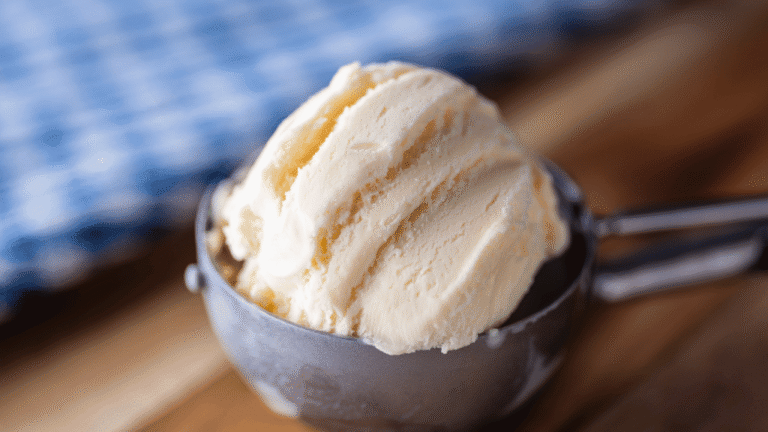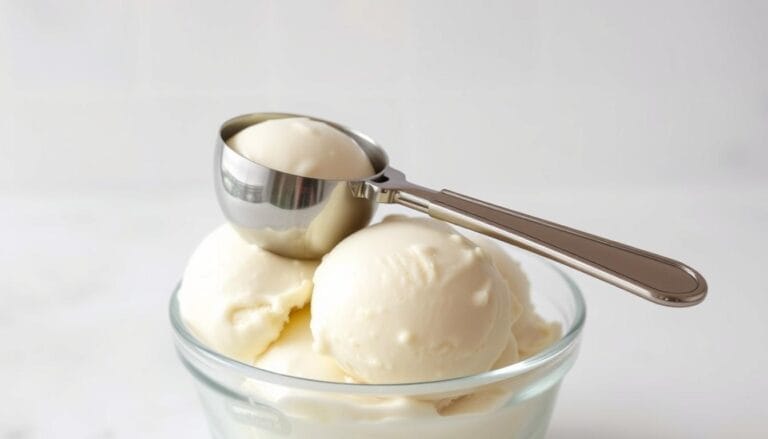

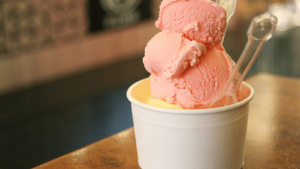

Classic Vanilla Nostalgia Ice Cream
4
servings30
minutes40
minutes300
kcalA homemade classic vanilla ice cream perfect for a nostalgic treat.
Keep the screen of your device on
Ingredients
2 cups 2 heavy cream
1 cup 1 whole milk
0.75 cup 0.75 granulated sugar
1 teaspoon 1 vanilla extract
1 pinch 1 salt
Directions
- In a medium mixing bowl, whisk together the heavy cream, whole milk, and granulated sugar until the sugar is completely dissolved.
- Add vanilla extract and a pinch of salt to the cream mixture, whisking until all ingredients are well combined.
- Pour the mixture into an ice cream maker and churn according to the manufacturer's instructions for about 20–25 minutes.
- Transfer the ice cream to a lidded container and freeze for at least 2 hours or until firm for the best texture.
Nutrition Facts
- Total number of serves: 4
- Calories: 250kcal
- Cholesterol: 75mg
- Sodium: 50mg
- Potassium: 120mg
- Sugar: 18g
- Protein: 3g
- Calcium: 10mg
- Iron: 0mg
Did you make this recipe?
Tag @https://www.instagram.com/ice_cream_haven/ on Instagram and hashtag it with #IceCreamIceCreamHavens
Like this recipe?
Follow @https://www.pinterest.com/Ice_Cream_Haven/ on Pinterest
Join our Facebook Group!
Follow https://www.facebook.com/icecreamhavens/ on Facebook
Why This Homemade Vanilla Ice Cream Belongs in Your Freezer Right Now
Keep a batch of homemade vanilla ice cream on hand for instant desserts, easy entertaining, and a dependable weeknight treat. The simple five-ingredient base—heavy cream, whole milk, sugar, vanilla, and a pinch of salt—builds rich texture without eggs, so you skip tempering and long custard cooks in most cases.
Who this is for: home cooks who want a fast, forgiving recipe to test flavors, control sweetness and fat, and make small, fresh batches of homemade ice cream.
Why homemade often beats store-bought:
- Often brighter, cleaner vanilla flavor than mass-produced pints, especially when you use real vanilla extract or a split vanilla bean.
- Full control over sweetness and fat so you can nudge texture—more cream for extra body, a touch more milk for lighter churns.
- Extremely versatile base that pairs with bold sauces (caramel or hot fudge) or delicate fruit like macerated berries.
Stash a labeled container in the freezer and you’re ready for sundaes, pie à la mode, or a thoughtful hostess gift. Try pairing a scoop with warm apple pie or grilled peaches and a drizzle of caramel for an easy crowd-pleaser.
Ingredients & Smart Substitutions for a Creamy Ice Cream Base
The secret to a silky frozen treat is the ingredients and how they balance. Build a reliable Philadelphia-style base from five core components: heavy cream for body, whole milk for balance, sugar to control softness, vanilla for aroma, and a pinch of salt to lift flavor.
The classic five
- Heavy cream: 1½–2 cups (about 360–475 ml) — provides richness, a smooth mouthfeel, and helps reduce ice crystals.
- Whole milk: 1–1½ cups (240–360 ml) — lightens density and keeps churn time reasonable.
- Sugar: ⅔–¾ cup (135–150 g) — lowers the freezing point so the final texture is scoopable instead of rock-hard. Adjust slightly to taste.
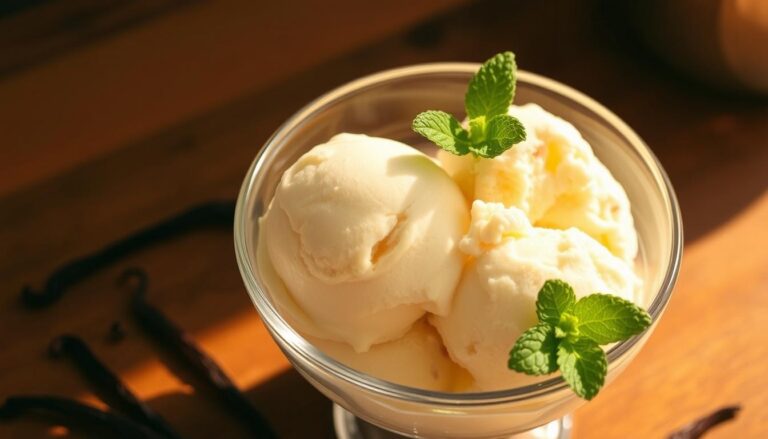
- Vanilla: 1–2 teaspoons extract or 1 tablespoon paste / 1 split vanilla bean — for aroma and attractive flecks.
- Salt: ⅛ teaspoon fine sea salt — brightens and balances the sweetness.
Vanilla choices and functionality
Vanilla extract is convenient and consistent; use 1–2 teaspoons depending on intensity. A split vanilla bean or 1 tablespoon vanilla paste adds visible speckles and a deeper, bakery-style perfume — equivalent swaps: 1 split bean ≈ 1 Tbsp paste ≈ 1–2 tsp extract, depending on strength.
Fat and sweetness: why they matter
Fat from heavy cream gives body and a creamier mouthfeel; more cream generally reduces iciness. Aim for a cream-to-milk ratio between about 1:1 and 2:1 (by volume) for a good balance of richness and churnability. Sugar controls softness — too little sugar usually yields a harder texture after overnight freezing.
Smart swaps
- Use vanilla paste for visual appeal when whole beans are expensive; paste delivers speckles without the extra cost of beans.
- Choose fine sea salt so it blends without sharp salty pockets.
- Stick with whole milk when possible; lower-fat milks raise the chance of iciness unless you add a stabilizer.
- For a no-cook shortcut or added body, substitute up to ¼ cup sweetened condensed milk for part of the sugar and milk — it increases creaminess and reduces iciness.
- To keep the base eggless but add stability, 1 teaspoon cornstarch dissolved in a little milk and heated briefly with the mix can help body and scoopability (avoid turning this into a custard base unless intended).
Taste the base before chilling — it should be a touch sweeter than you want the finished ice cream. A balanced base churns predictably and yields a smoother, less icy frozen dessert.
Step-by-Step: Make One Cup Ice Cream Recipe Like a Pro (Present-Day Method)
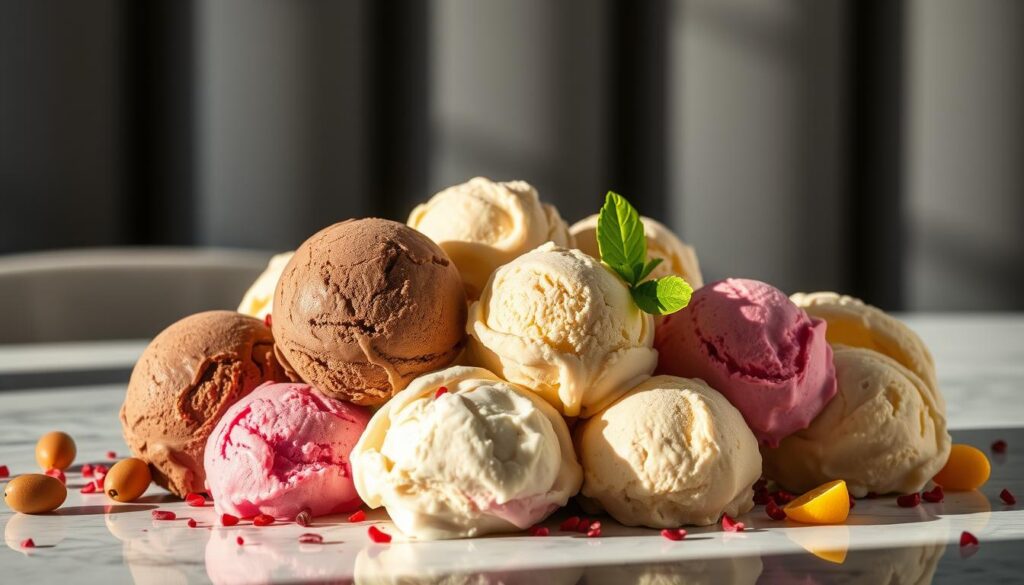
Yield: about 1 cup finished ice cream (2–3 small servings). Prep the equipment first. Freeze your maker’s bowl at least 12 hours so the coolant is fully solid — a thoroughly frozen bowl shortens churn time and helps prevent icy texture.
Make the base (two options):
- Quick cold method: Whisk heavy cream, whole milk, sugar, vanilla, and a pinch of salt in a bowl until the sugar is mostly dissolved. This is the fastest no-cook route.
- Short warm method: Gently warm the same ingredients over medium-low for about 3–5 minutes, whisking constantly until the sugar dissolves and the mixture is warm but not simmering — avoid scalding. Cool to room temperature, then chill.
Chill: Refrigerate the base for at least 2 hours, up to 24 hours — a colder mixture churns faster and yields a smoother texture.
Churn: Pour the cold base into the frozen bowl and run your ice cream maker according to the manufacturer’s directions. Most freezer-bowl machines reach soft-serve in about 20–30 minutes; stop when the paddle leaves ridges and the mixture has thickened.
- Serve immediately for soft serve, or transfer to an airtight container and freeze for 2–4 hours for scoopable firmness.
- Leave a little headspace in the container and press plastic wrap directly on the surface before sealing to minimize ice crystals.
- Avoid opening the container while it firms to keep temperatures steady.
Troubleshooting tips: If the finished ice cream is icy, try reducing the proportion of milk or increasing heavy cream slightly, add 1–2 tablespoons more sugar (or 1 tablespoon corn syrup) to lower freezing point, or stir in a tablespoon sweetened condensed milk next time for extra body. If you used a vanilla bean, strain out any pod pieces before churning.
Quick care note: Rinse and dry the bowl and paddle completely before returning the bowl to the freezer to prevent ice buildup and shorten next freeze time.
Equipment & One Cup Ice Cream Recipe Maker Options for Home Cooks
Choosing the right equipment makes the difference between a gritty batch and a silky pint. Your tool affects churn time, texture, and how many batches you can run back-to-back.
Freezer-bowl units (standalone countertop makers or attachments) are affordable and compact; many Cuisinart-style and KitchenAid attachment setups churn a small batch to soft serve in about 20–30 minutes once the bowl is fully frozen. They’re great for occasional use and testing recipes.
Compressor machines have built-in refrigeration so you skip pre-freezing the bowl and can make multiple batches in a row; they cost more but give consistently smoother texture and faster turnarounds for serious hobbyists.
No machine? How to proceed
You can still make this recipe without an ice cream maker. Use a no-churn approach: whip the base (or fold whipped cream into a sweetened condensed-milk–based mix), freeze it in a shallow container, and stir or beat every 30–45 minutes to break up ice crystals until set. The texture will differ from churned results but is still enjoyable and simple.
“Freeze the bowl flat and undisturbed — a tilted bowl freezes unevenly and lengthens churn time.”
- Capacity: 1–2 quart machines suit most homes and small-batch testing; larger volumes require sturdier motors and often a compressor.
- Maintenance: Dry the bowl completely before refreezing and avoid metal tools on nonstick surfaces to prevent damage.
- Accessories: Keep a shallow lidded container, a long-handled scoop, and a flexible spatula handy for packing and serving.
- Mix-in timing: Add chocolate, nuts, or cookie pieces during the last minutes of churning to check distribution without warming the mixture.
Buying tip: If you make ice cream a few times a year, a freezer-bowl unit is cost-effective; if you churn often or test recipes, a compressor machine pays off in convenience and texture.
For model comparisons and deeper reviews, see the linked Cuisinart options post to help choose the right maker for your needs.
One Cup Ice Cream Recipe
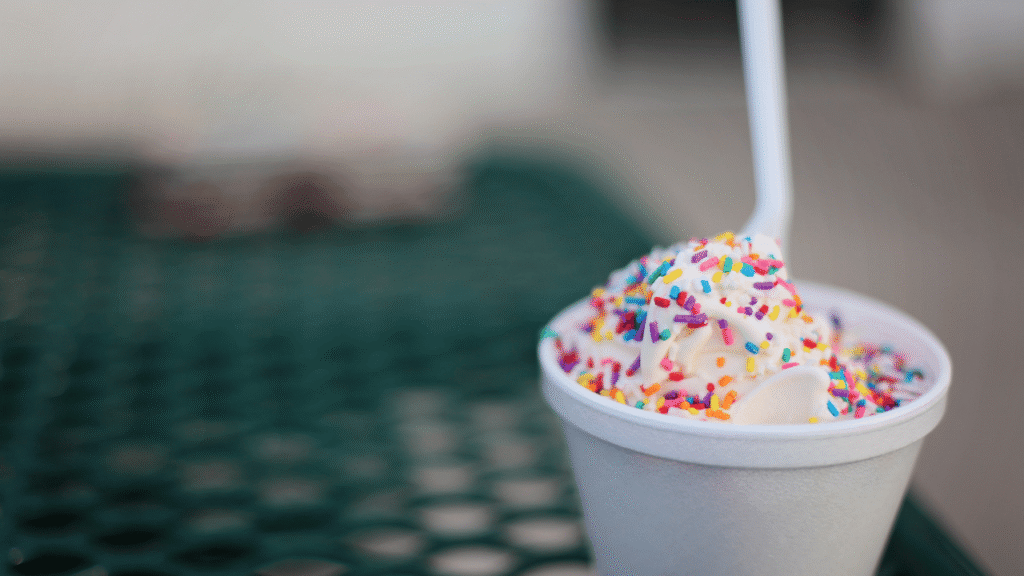
Scale down the process to test flavors quickly and avoid waste. Small batches are ideal for trying extracts, swirls, or mix-ins without committing to a full pint—perfect for experimenting and dialing in your favorite homemade vanilla ice.
The quick ratio note: scaling cream, milk, and sugar for small batches
For roughly 1 cup total dairy, use about ½–⅔ cup heavy cream plus ⅓–½ cup whole milk. Sweeten with 2–3 tablespoons sugar per cup of dairy, add a pinch of salt, and stir in ½–1 teaspoon vanilla (extract or paste). Whisk cold to dissolve the sugar or warm briefly and cool before chilling. Chill the mini base thoroughly—cold base helps reduce ice crystals and improves final texture.
“Churn until the mixture thickens and leaves defined ridges—usually about 20–30 minutes, even in small batches.”
- Mini formula: ½–⅔ cup heavy cream + ⅓–½ cup whole milk (yields ~1 cup finished ice cream).
- Adjust sugar to taste; cut back if adding sweet sauces or a sugary swirl.
- For soft serve, serve immediately; for scoopable texture, freeze 1–2 hours in an airtight container.
- Troubleshoot: If the result is icy, try reducing the milk slightly, adding 1 teaspoon corn syrup, or stirring in 1 tablespoon sweetened condensed milk next time for extra body.
- Micro-variation: Stir in ½ teaspoon cocoa with the warm base for an easy chocolate twist.
Mix-Ins, Flavors & Toppings to Personalize Your Ice Cream
A few well-chosen add-ins transform texture and flavor with almost no extra fuss. Fold solids into freshly churned base so they suspend in the semi-soft mixture. Aim for about 2–2½ cups of finely diced mix-ins per quart as a starting point; reduce the amount for softer scoopability.
- Fold-ins: Add brownie bites, cookie dough chunks, or mini chocolate chips immediately after churning for even distribution (example: ~½ cup cookie dough ≈ 6–8 small chunks).
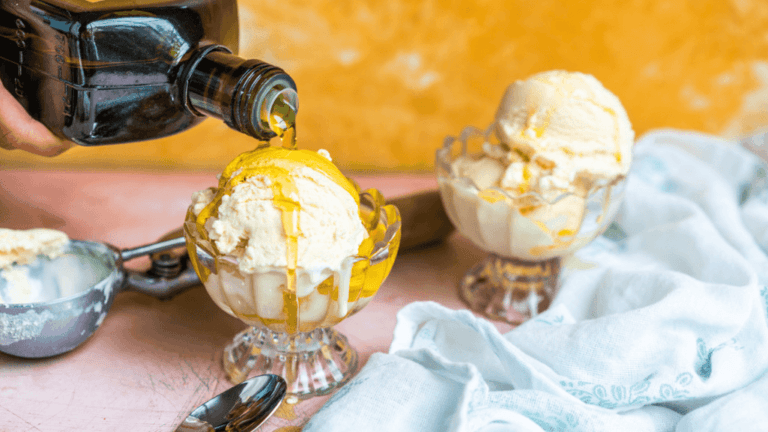
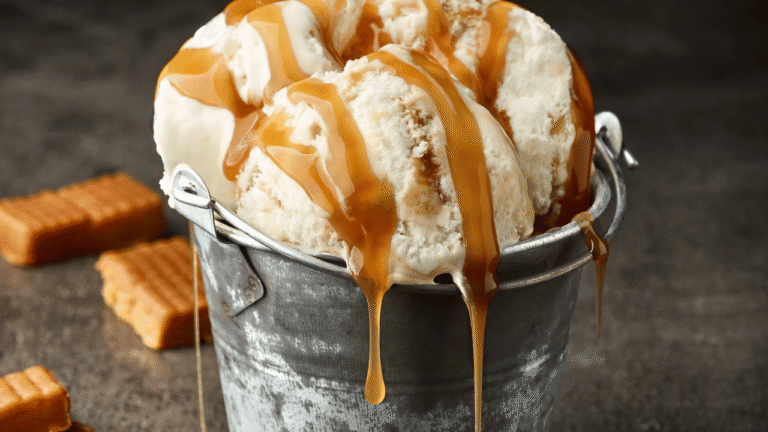
- Swirls: Spoon thin ribbons of caramel sauce, hot fudge, or berry sauce into the container and use a spatula to gently ripple for defined streaks that hold through freezing.
- Fruity & crunchy: Dice and pat dry strawberries or peaches; macerate briefly with a little sugar, then drain well to avoid extra ice crystals. Toast nuts to boost flavor and crunch.
- Flavor shifts: Try extracts (almond, peppermint) sparingly, or stir cocoa dissolved in warm cream for a smooth chocolate direction.
- Finishing touches: Layer coconut flakes, sprinkles, or crushed cookies between fillings for texture in every scoop.
“Keep the mixture cool while working; if it warms, chill briefly to preserve sharp swirls and defined mix-ins.”
Test one new mix-in per small batch to dial in quantities and balance — it’s the fastest way to develop favorite combinations. For a practical mini guide to scaling and testing add-ins, see this mini batch guide.
Storage, Texture & Scoopability Tips
Move freshly churned ice cream into a shallow, airtight container to lock in texture and flavor.
Quick handling matters: press plastic wrap or foil directly onto the surface before sealing to stop frost and slow ice crystal growth. Return the tub to the freezer immediately for best results.
Pack & freeze for scoopable sets
- Use a quart-size airtight container to limit air exposure and slow ice formation—plastic is lightweight and practical; metal pans freeze faster but can be harder to seal tightly.
- Fill the container nearly to the top to reduce headspace and protect delicate vanilla notes.
- Freeze for about 2–4 hours for firm, scoopable texture; freshly churned ice cream is soft serve right out of the machine.
- For short-term use (1–2 weeks) flavor and texture stay very good; for best quality aim to enjoy within a month—older pints can develop freezer burn and flavor loss.
- If the pint is very hard after long storage, let it sit at room temperature for a few minutes before scooping to soften slightly.
Freezer habits and equipment care
- Keep the freezer at a steady temperature and avoid frequent door openings to preserve texture and prevent refreeze cycles that cause iciness.
- Choose shallow, wide containers for faster, even freezing and easier scooping across the surface.
- Clean and dry the maker’s bowl and paddle thoroughly before returning the bowl to the freezer; leftover moisture causes ice buildup and lengthens the next freeze time.
- Label each container with the flavor and date; this helps you rotate through batches and enjoy them at peak quality.
“Pressing wrap directly on the surface is the simplest way to prevent surface frost and keep the top layer creamy.”
Do this now: press wrap to the surface, seal the lid, label the container with date and flavor, and place flat in the coldest part of the freezer.
Nutrition Notes & What to Serve with Your Ice Cream
Allergen first: this base contains dairy (milk and cream); the standard recipe is eggless but check mix-ins and sauces for hidden allergens.
Nutrition for a standard half-cup serving varies by formulation, so treat the numbers below as a guide. A typical half-cup portion of this five-ingredient, cream-forward recipe is roughly 270–370 calories, with about 16–30 g carbohydrates, 22–27 g fat, and ~3 g protein — values rise quickly with chocolate, cookie dough, or caramel swirls.
Simple rule of thumb: each additional tablespoon of sugar adds about 45–50 calories; every extra tablespoon of heavy cream adds roughly 50–55 calories and increases fat content. Swap some cream for more whole milk to lower fat (expect a slightly icier texture) or use sweetened condensed milk to boost body and sweetness.
Dietary notes & storage
Portion and storage: plan on ~½–¾ cup per person. Return unused portions to the freezer promptly in a sealed container to preserve texture and flavor; label with date and flavor to track freshness.
Perfect pairings
- Classic pairings: serve vanilla ice cream with warm cherry or apple pie, peach crisp, or blueberry cobbler — the cool cream balances hot desserts.
- Seasonal pick: grilled peaches with honey or a drizzle of hot fudge add warm-versus-cold contrast ideal for summer entertaining.
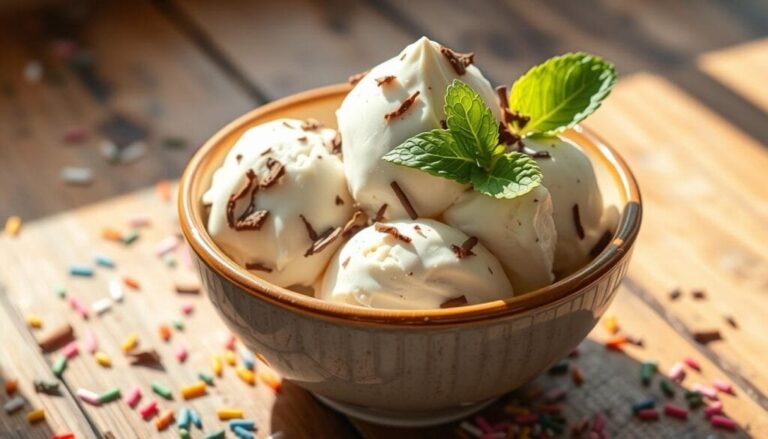
- Finishes: add crunch with toasted nuts or a few chocolate shavings to lift texture and bring patisserie flair.
“Serve toppings at the table so guests can tailor sweetness and texture.”
Conclusion
A simple system—freeze the bowl 12 hours, chill the five-ingredient base, then churn—turns good ingredients into reliably smooth results.
One Cup Ice Cream Recipe: use fresh whole milk with a touch of heavy cream, real vanilla (extract, paste, or a split vanilla bean), sugar, and a pinch of salt. Choose a freezer-bowl machine for occasional batches or a compressor machine if you plan to churn frequently.
Churn about 20–30 minutes for soft serve, then transfer to an airtight container and freeze 2–4 hours for scoopable texture. For easy variations, swap extract for a vanilla bean, fold in chocolate or fruit at the end, or add a ribbon of caramel sauce. For a bold twist, try 1 teaspoon instant espresso powder and chocolate flakes stirred in during the last minute of churning.
Yield reminder: this small-batch method makes roughly 1 cup (2–3 small servings); label tubs with flavor and date and enjoy within a few weeks for best quality. Freeze your bowl now and try this homemade vanilla tonight—the machine, the technique, and high-quality ingredients deliver dependable, delicious ice cream.
FAQ
What equipment do I need to make this creamy homemade vanilla treat?
How long should I freeze the ice cream maker bowl before churning?
Can I make a small batch using the quick ratio for scaling cream, milk, and sugar?
Should I heat the base or whisk it cold to save time?
How long should the base chill before I churn it in the machine?
How do I prevent ice crystals and keep a smooth texture during storage?
What’s the difference between soft serve and firm scoops, and how long to firm up?
Can I use vanilla bean instead of extract, and how does that affect flavor and appearance?
Are eggs required for a creamy base, and what are alternatives?
What mix-ins and swirls work best after churning?
How do I add fruit or crunchy toppings without ruining texture?
What are quick substitutions for dairy to reduce fat or accommodate allergies?
How do I estimate nutrition, and why do values vary?
What are recommended pairings to serve with homemade vanilla ice?
Can I make this with a compressor machine or a standard countertop maker—what’s best?
What’s the best way to serve layered swirls like caramel or hot fudge?