Grainy Ice Cream: A Unique and Satisfying Treat

0.0 from 0 votes

Welcome to a fresh way to think about frozen dessert. This guide frames grainy ice cream as an intentional, adventurous style that celebrates texture as much as flavor. You will learn how the churning and chilling process shapes crystals and mouthfeel.

When cooling is very fast and churn is steady, tiny seed crystals give a smooth result. If you steer conditions to grow larger crystals, you unlock a lively, crunchy note that still balances on the palate.

We explain the basic science in plain terms: lots of small crystals equals creaminess; fewer, larger crystals equal stimulating grit. This section promises clear, repeatable answers on ingredients, churning, and storage so you can choose the exact taste you want.

Key Takeaways

  • Intention matters: texture can be designed, not just tolerated.
  • Fast cooling + steady churn favors smooth results.
  • Controlled crystal growth creates the sought-after crunch.
  • Emulsifiers and stabilizers help manage moisture and shelf life.
  • Avoid temperature abuse: portion to prevent melt-refreeze cycles.
  • Pair boldly: nuts, fruits, and swirls highlight contrast and taste.

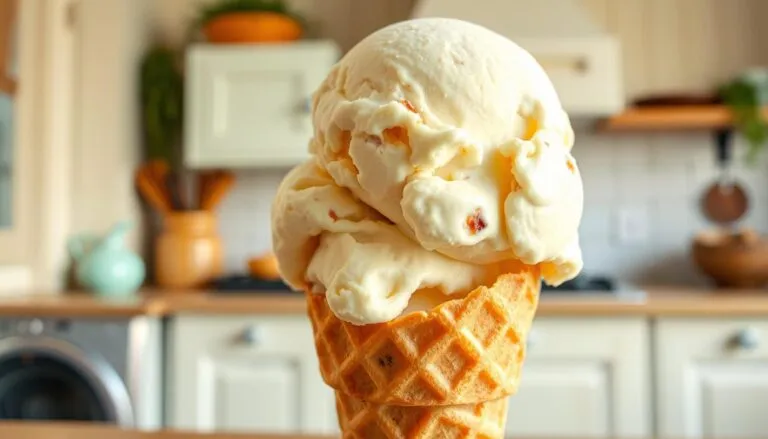
Grainy ice cream

Recipe by Rabeya khanom
0.0 from 0 votes
Course: DessertCuisine: AmericanDifficulty: Easy
Servings

4

servings
Prep time

30

minutes
Cooking time

40

minutes
Calories

300

kcal
Total time

1

hour 

10

minutes

Easy homemade vanilla ice cream using everyday ingredients.

Cook Mode

Keep the screen of your device on

Ingredients

  • 2 cups 2 heavy cream

  • 1 cup 1 whole milk

  • 0.75 cup 0.75 granulated sugar

  • 1 tablespoon 1 pure vanilla extract

  • 1 pinch 1 salt

Directions

  • In a medium-sized mixing bowl, combine 2 cups of heavy cream and 1 cup of whole milk until well mixed.
  • Gradually add 0.75 cups of granulated sugar to the cream and milk and whisk until the sugar is completely dissolved.
  • Stir in 1 tablespoon of pure vanilla extract and a pinch of salt to the mixture ensuring everything is well combined.
  • Cover the bowl with plastic wrap and refrigerate the mixture for at least 2 hours or until completely chilled.
  • Pour the chilled mixture into an ice cream maker and churn according to the manufacturer's instructions, about 20-25 minutes.
  • Transfer the churned ice cream to an airtight container, cover, and freeze it for at least 2 hours before serving.

Recipe Video

Nutrition Facts

  • Total number of serves: 6
  • Calories: 250kcal
  • Cholesterol: 55mg
  • Sodium: 60mg
  • Potassium: 120mg
  • Sugar: 25g
  • Protein: 3g
  • Calcium: 100mg
  • Iron: 0mg
  • Thiamin: 0mg
  • Riboflavin: 0mg
  • Niacin: 0mg
  • Folate: 0mg
  • Biotin: 0mg
  • Phosphorus: 90mg
  • Iodine: 0mg
  • Magnesium: 10mg
  • Zinc: 0mg
  • Selenium: 0mg
  • Copper: 0mg
  • Manganese: 0mg
  • Chromium: 0mg
  • Molybdenum: 0mg
  • Chloride: 0mg
Instagram

Did you make this recipe?

Tag @https://www.instagram.com/ice_cream_haven/ on Instagram and hashtag it with #IceCreamIceCreamHavens

Pinterest

Like this recipe?

Follow @https://www.pinterest.com/Ice_Cream_Haven/ on Pinterest

Facebook

Join our Facebook Group!

Follow https://www.facebook.com/icecreamhavens/ on Facebook

Why Grainy Ice Cream Appeals: Texture, Taste, and Intention

A deliberate sandy mouthfeel can make familiar frozen treats feel thrilling and new. The tongue senses contrast and sudden melt, which makes sweetness and acidity more vivid in every spoonful.

Small amounts of air plus controlled crystal growth create a pleasing crunch that softens into smoothness over time. That evolving result turns one bite into a short tasting experience.

For makers, texture is a creative language. Choose a chunkier profile to pair with toasted nuts or dark chocolate, or keep it finer to let roasted fruit notes sing.

Home cooks can do this without lab gear. Pay attention to time and temperature, and you will find a lot of room for personal preference.

  • Try small changes: tweak chill time to shift crystals.
  • Mindful tasting: pause between bites and note how edge and center differ.
  • Match intent: let texture support, not smother, flavor.

The Science Behind Texture: Ice Crystals, Air, Fat, and Temperature

Intricate ice crystals glisten in a macro view, showcasing their sharp, geometric structures and delicate filigree-like patterns. The foreground is filled with a variety of ice crystals, each uniquely shaped and reflecting light in shades of blue and white. The middle ground features subtle, frosty textures that hint at a cold atmosphere. In the background, softly blurred abstract shapes of frozen ice cream ingredients create visual depth, hinting at creamy textures. A soft, diffused daylight illuminates the scene, enhancing the crystalline details while casting gentle shadows that add depth and dimension. The mood is cool and clean, evoking a sense of refreshing winter clarity and the science behind frozen delights.

The way water arranges into crystals inside the frozen mix decides whether a scoop feels silky or has an edge. At the core of this science are the number and size of ice crystals and how air and fat sit around them.

Ice crystal size and mouthfeel

Smaller ice crystals form when the mixture cools quickly and churn runs steadily. Many tiny seed crystals propagate and yield a silky texture in home-made ice cream.

When freezing is slow or free water is abundant, large ice crystals grow. One large cluster can feel like multiple bits on the tongue and creates a deliberate textured point.

Air (overrun) and density

Churning introduces air, which balances density and melt. Less air makes a denser, more intense bite. Commercial machines add more overrun than typical home units.

Fat, sugars, stabilizers, and emulsifiers

Fat and sugar bind free water. Stabilizers like guar, locust bean gum, and carrageenan thicken the mixture and slow crystal growth.

Lecithin and other emulsifiers help fat and water mix, improving stability and melt behavior.

Temperature control

Rapid pull-down and steady cold prevent crystals from melting and reforming larger. Pre-chill bowls and mix to cut machine time, especially with weaker units.

“Consistent cold is the single most practical step to keep crystals small and texture repeatable.”

  • Log mixture temp, churn time, and draw temp.
  • Test short vs extended churns to find your ideal air-crystal balance.
  • Use stabilizers sparingly to keep flavor bright and structure steady.

Ingredients and Equipment That Shape Your Results

A beautifully arranged flat-lay of ingredients for grainy ice cream on a wooden countertop. In the foreground, showcase a bowl of coarse sea salt, a scoop of vanilla beans, and a handful of crushed nuts. In the middle, include a jar of sugar, fresh cream in a measuring cup, and an ice cream maker. The background should feature a rustic kitchen setting with soft, diffused natural light streaming through a window, highlighting the textures of the ingredients. Use a shallow depth of field to keep the focus on the ingredients while creating a warm, inviting atmosphere that evokes the joy of making this unique treat. Emphasize the earthy tones and creamy whites for a cohesive look.

Your ingredient choices are the levers that control whether the finished treat is dense, soft, or deliberately textured. Tune milk and cream ratios to set fat and milk-solids. Sugar lowers the freezing point and affects scoopability.

Base mix choices

Milk and cream define richness while added solids—skim milk powder, extra sugar, or eggs—cut free water and reduce undesirable ice. Unbalanced recipes with excess free water become icy; add solids to restrict water movement.

Smart stabilizers and emulsifiers

Weigh stabilizers and emulsifiers precisely. Pre-mix tiny amounts with sugar to stop clumps, then heat the mixture into the activation range so they work fully.

Choosing your method

Compressor machines offer steady cold and convenience. Freezer-bowl makers are budget-friendly but need ≥12 hours pre-freeze. No-machine methods use shallow freezing and frequent whisking for body.

  • Pre-chill the mixture and container before transfer.
  • Pre-cool a compressor ≥15 minutes and do not pause cycles mid-churn.
  • Calibrate your formula to your machine: weaker chilling benefits from higher solids.

“Small formula tweaks beat masking flavor—tune milk-to-cream and sugar to find your ideal mouthfeel.”

How to Make Grainy Ice Cream on Purpose—Step by Step

A close-up view of a bowl of grainy ice cream sitting on a rustic wooden table, with a spoon resting beside it. The ice cream has a distinct texture, showing small ice crystals to highlight the graininess. Surrounding the bowl are fresh ingredients like crushed fruits and nuts, emphasizing the unique flavors used in the recipe. In the background, a softly lit kitchen with warm tones creates a cozy atmosphere, featuring blurred shelves stocked with jars and cookware. The lighting is soft and warm, evoking a sense of comfort and indulgence. The scene is captured with a shallow depth of field, focusing on the ice cream while gently blurring the background, providing a vibrant yet inviting mood.

A clear plan for water and solids makes it possible to tune crystal size and mouthfeel on purpose. Decide whether you want larger ice crystals or a finer bite before you heat or chill the mix.

Plan your mix

To encourage larger crystals, keep free water less bound by lowering solids and sugar slightly. That gives crystals room to grow during freezing while keeping food safety in mind.

Tip: record your mixture temperature and ratios so you can repeat a favored result.

Chill strategy

Pre-chill to ≤39°F (4°C) only when you want smaller crystals. For intentional grain, start slightly warmer or skip aggressive pre-chill to lengthen machine freezing time.

Churning techniques

Use slower paddle speeds and extend time in the machine to let crystals coarsen. Add minimal air for a denser, crunch-forward profile.

Do not pause compressor machines mid-cycle; instead add time while running so the cooling stays constant.

Freezing and storage

Transfer to a pre-chilled shallow container for quick, even setting. Set your freezer colder for stabilization after churn and avoid microwaving then refreezing — that creates coarse, unpleasant crystals.

“Record mixture temp, machine time, and container depth to reproduce the same texture again.”

  • Balance water and sugar for a pleasant grain without rock-hard freeze.
  • Spread mix thin in the freezer to set uniformly.
  • Keep notes on machine cycles and fill time for consistency.

Troubleshooting Texture: From Icy to Sandy to Lumpy

A close-up view of an ice cream scoop exhibiting various textures of ice crystals, capturing the contrast between a smooth creamy center and grainy, icy edges. In the foreground, focus on the intricate details of the ice crystals, highlighting their sharp, glistening facets under soft, diffused lighting. In the middle ground, showcase the rich, creamy texture of the ice cream, inviting a sense of indulgence. The background can hint at a well-lit kitchen setting with kitchen utensils and ingredients subtly blurred, creating context yet not distracting from the main subject. The mood is scientific yet approachable, evoking curiosity about the different textures, with a focus on clarity and detail to emphasize the unique characteristics of the ice cream.

Texture problems often trace back to water behavior and machine timing rather than luck. Read each fault by how the mixture set and what happened during freeze.

Icy vs intentional grainy

Icy results come from too much free water or long slow freezing. Faster pull-down and more solids fix that. Intentional bite feels consistent on the tongue and melts with purpose; icy bits vanish quickly and thin out.

Sandy textures

Sandy mouthfeel often means lactose crystallized when MSNF rose too high, commonly after excess skim milk powder. Reduce SMP next batch and rebalance sugar and stabilizers to stop non-melting particles.

Lumpy or buttery mouthfeel

When fat destabilizes you get lumps. Cut back on cream or emulsifiers and shorten churn. That prevents fat globules from over-coalescing into a detectable butteriness.

Too soft or too hard

Home makers churn softer; finish pints in the freezer to firm. To soften very hard pints, rest in the fridge 10–15 minutes or add a small amount of 40% liquor per quart to shift the freezing point.

Machine prep that matters

Pre-chill bowls ≥12 hours, pre-cool compressors ≥15 minutes, and never pause a running machine. Transfer into a cold container so crystals don’t regrow during store and you keep consistent results.

Grainy Ice Cream

A close-up of grainy ice cream served in a rustic, wooden bowl, showcasing its unique texture and character. The ice cream has visible grains of salt and tiny ice crystals, hinting at its artisanal quality. Surrounding the bowl, a scattering of colorful sprinkles and chopped nuts adds to the presentation. Soft, warm ambient lighting enhances the creamy colors of the ice cream, creating a cozy and inviting atmosphere. The background features a blurred kitchen setting with warm wooden countertops and soft-focus kitchen utensils, evoking a homey, homemade feel. The image captures the tactile nature of the treat, inviting viewers to indulge in this delightful experience.

A textured frozen scoop can highlight bold mix-ins and lift familiar flavors into something new. Use contrast ingredients like roasted strawberries, candied nuts, cacao nibs, or an espresso ripple to make texture feel intentional and delicious.

When to embrace texture with fruit and nuts

Balance is key: a denser, lower-air base at home makes nuts crunchier and fruit notes pop. Domestic machines introduce less air than commercial units, so choose bolder mix-ins to match that density.

Serving tips and storage to preserve your result

Serve at the right temperature: let pints temper briefly so scoops release cleanly while the intended consistency stays intact. Soft-serve is often held near 18°F (-7.8°C); for pints, avoid big swings that roughen crystals.

“Consistent temperature control prevents unwanted crystal growth during service.”

  • Store pints in the coldest zone of your freezer with a tight lid and minimal headspace.
  • Portion into smaller containers to reduce repeated warming and protect the texture.
  • Use chilled bowls or cold cones to keep the chosen mouthfeel from first bite to last.

For tasting, place a small scoop on the front of the palate. Notice the first snap, then follow how it melts and releases aroma. If you want background reading on why some scoops feel gritty, see this explainer.

Conclusion

Mastering texture comes down to aligning your mix, machine, and timing in one thoughtful process.

Think of the method as a system: manage water with solids and stabilizers, keep steady temperature, and choose the freezing way that grows crystals at the size you want.

Rapid freezing plus continuous churn makes smaller crystals and a smooth result. Longer runs or swings let larger crystals form and add a deliberate crunch.

Practical habits matter: pre-chill the mixture and bowls, avoid pausing the machine, and move pints into a cold freezer fast so consistency stays true.

The science is your ally—balanced milk, measured sugar, a little emulsifier, and care with fat yield repeatable, flavorful ice cream every time.

FAQ

What makes a textured dessert develop larger crystals and a grainy mouthfeel?

Crystal size depends on how fast free water freezes and how much of it is available. Slower freezing, higher water content, and limited stabilizers let crystals grow larger. Controlling sugar, fat, and solids reduces free water and limits crystal growth, while a slow freezer or shallow container encourages larger, noticeable crystals.

How do fat, sugar, and stabilizers influence final consistency?

Fat and sugars lower freezing point and add creaminess, while stabilizers and emulsifiers bind water and slow recrystallization. More fat and sugar generally soften texture; targeted stabilizers like guar or lecithin hold water and help create a smoother, more consistent bite or, when reduced, make a deliberately coarse result.

Can churning speed and overrun affect texture?

Yes. Faster churning and higher overrun incorporate more air, creating a lighter, softer product with smaller effective crystals. Slower churning or reduced overrun produces a denser, grainier feel because air pockets are fewer and crystals are more apparent on the tongue.

How should I adjust my recipe to intentionally produce larger crystals?

Increase free water by reducing total solids, lower stabilizer levels, and avoid adding ingredients that bind water. Use less fat and sugar than you would for a smooth product, chill the mix quickly but freeze more slowly in the final set, and shorten churning time so the mixture contains fewer small crystals from agitation.

What freezing strategy creates a coarse, sandy texture versus a smooth one?

For a coarse texture, freeze more slowly in the final stage or store in a shallow container at a slightly warmer freezer setting to allow crystals to grow. For smoothness, freeze rapidly—use a compressor machine or plunge the batch into very cold conditions—and avoid temperature fluctuations that cause melt-refreeze cycles.

How do storage and temperature swings affect crystal growth after making the dessert?

Fluctuating temperatures cause recrystallization: small crystals melt and refreeze into larger ones, worsening graininess. Store at a consistent, cold temperature and limit door openings. Use airtight containers and press plastic wrap on the surface to reduce freezer burn and water migration.

Which equipment choices will help me control texture at home?

Compressor machines freeze rapidly and keep temperatures steady, producing smaller crystals. Freezer-bowl machines work but need proper pre-freezing. No-machine methods rely on ice packs or cold baths and usually give larger crystals unless you use additives or repeated stirring during freezing to keep crystals small.

Why does lactose crystallization cause a gritty, sandy feel and how do I fix it?

Excess milk powder or concentrated lactose can crystallize separately, creating a sandy sensation. Fix it by reducing skim solids, increasing sucrose or invert sugar, or adjusting heat treatment to dissolve powders fully. Adding a small amount of stabilizer also helps bind water and prevent separate sugar crystallization.

What causes a lumpy or buttery mouthfeel, and how can I avoid it?

Lumps or a greasy texture come from fat destabilization—over-churning, too high fat, or poor emulsifier balance. Use the right emulsifiers, avoid excessive churning after the mixture thickens, and balance fat content with stabilizers to maintain a uniform suspension.

When might I choose to embrace a grainy texture rather than fix it?

Grainy texture pairs well with bold, rustic flavors like roasted fruit, candied nuts, or spiced syrups where body and contrast matter. It can be an intentional artisan choice for texture contrast in plated desserts or when you want a homey, nostalgic bite.

What serving and storage tips preserve an intended texture?

Serve at a slightly warmer scoop temperature so crystals soften without melting. Store in shallow, cold-stable containers and avoid repeated thaw-refreeze cycles. Label containers with mix date and keep the freezer steady to retain the texture you chose.

Are there safe additives that speed freezing or reduce refreeze damage without compromising flavor?
Yes. Invert sugars (like corn syrup or honey), small amounts of alcohol, and approved stabilizers such as guar or locust bean gum help reduce large crystal formation and limit recrystallization. Use them sparingly to preserve intended taste and aroma.
Weight Watchers Ice Cream Recipes
Weight Watchers Ice Cream Recipes: Guilt-Free Homemade Frozen Treats
Craving something sweet but still want to stay on track with your health goals? You’re in the right place. This post shares delicious, low-calorie Weight Watchers ice cream recipes you can make at home—easy, customizable treats that let you enjoy dessert without the guilt. Why buy store-bought when you can make your own homemade ice cream? Simple ingredients—ripe bananas, almond milk, and cocoa powder—create a creamy base you can tweak for flavor. These recipe ideas keep the focus on balance and real ingredients while delivering satisfying taste. Whether you follow a specific plan or want a lighter treat for the day, these recipes help you make indulgent yet mindful choices in minutes. Try one today and share your favorite combo. Key TakeawaysDiscover low-calorie Weight Watchers ice cream recipes that let you enjoy dessert guilt-free. Learn quick homemade ice cream methods using simple ingredients you likely have on hand. Customize flavors and portion sizes to fit your Weight Watchers points and lifestyle.Introduction to Low-Calorie & Delicious Ice Cream Options    practical ways to satisfy your sweet tooth with lighter frozen desserts. Low-calorie ice cream options—like banana-based “nice cream”—deliver creamy texture and real flavor without excess calories, making them an excellent choice for anyone who wants dessert that fits a health-conscious routine. One easy example: blend one to two ripe bananas with 1/4 to 1/2 cup almond milk and a splash of vanilla for an instant base. Top with fresh strawberries or a few chocolate chips for variety. These simple recipes are naturally customizable and work well as dairy-free or low-fat alternatives. The Rise of Healthier Desserts Healthier desserts have moved from trend to everyday option. Home cooks are swapping added fat and refined sugar for whole-food ingredients that still taste indulgent—think frozen fruit, cocoa, and unsweetened extracts—so you get more nutrients and less empty calories. Benefits of Choosing Low-Calorie Treats Choosing low-calorie desserts offers clear perks: they emphasize natural sweetness, help control portion sizes, and are quick to make—most base blends take just a few minutes of active prep. If you have allergies, swap bananas for frozen mango or avocado, and use coconut or almond milk to keep things dairy-free. Whether...
Cranberry Sorbet Recipe
Cranberry Sorbet Recipe | Refreshing Holiday Dessert
This bright, bracing dessert promises a jewel-toned finish that wakes the palate. Its deep garnet color...
gritty ice cream
Gritty Ice Cream: Indulge in Unexpected Textures
Welcome to an adventurous take on frozen dessert where texture becomes part of the story. This section...
Keto Ice Cream Without Erythritol
Keto Ice Cream Without Erythritol: Easy, Creamy Recipe
Welcome to a modern, homemade path to a scoopable, silky frozen dessert that fits a low carb lifestyle. This...
grainy ice cream
cuisinart recipe for vanilla ice cream: The Perfect Homemade Treat
Cuisinart recipe for vanilla ice cream, Bring the scoop shop home with a simple, reliable method that...
Niaz Sibgatullah
Niaz Sibgatullah

Hello! I’m Muhammad Niaz, a food lover with a big passion for creating and sharing delicious recipes that bring joy to every table. From classic favorites to creative new twists, I love experimenting in the kitchen and turning simple ingredients into something truly special. My goal is to make cooking easy, fun, and flavorful for everyone—whether you're a beginner or a seasoned home chef. Come along and explore recipes that warm the heart and satisfy every craving!

Articles: 129

Leave a Reply

Your email address will not be published. Required fields are marked *